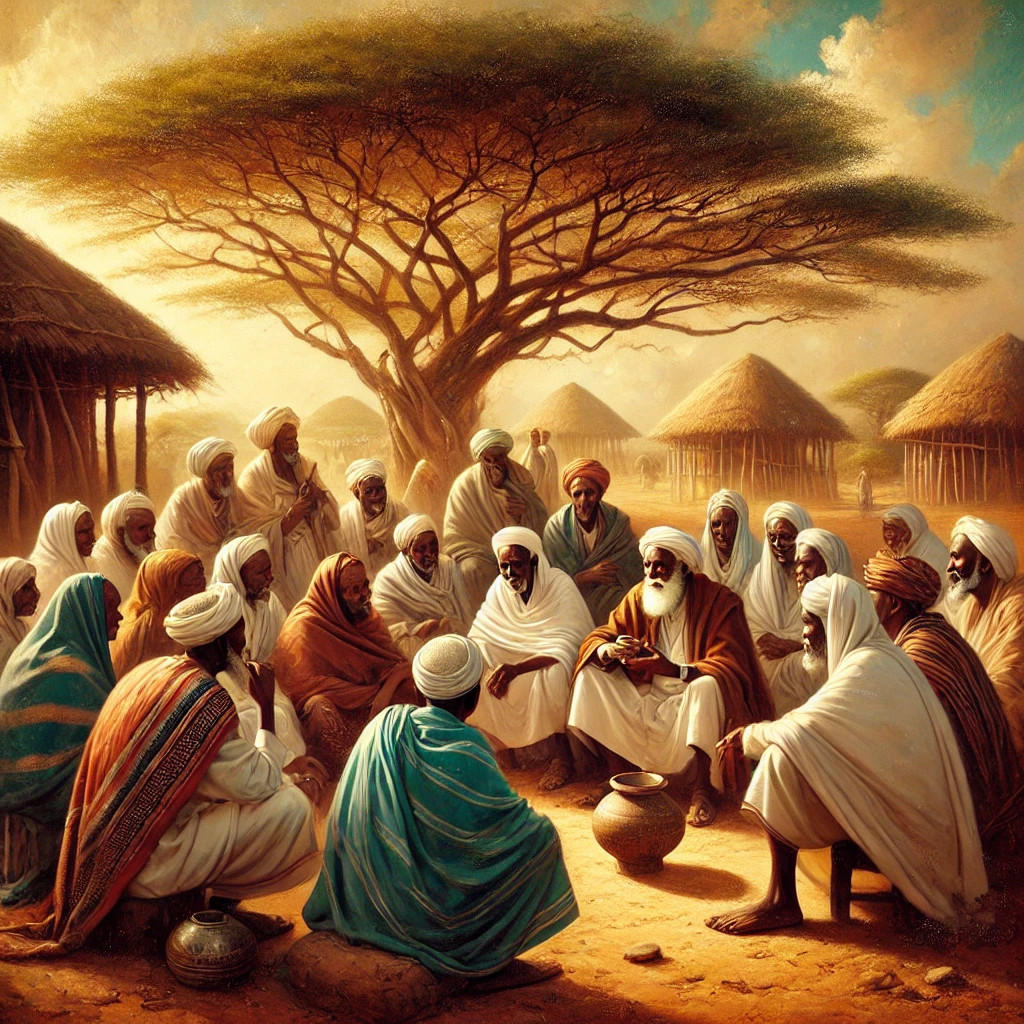
Role of Elders in Somali Culture
In Somali society, elders hold a position of great respect and influence. As guardians of tradition, mediators of conflict, and advisors to younger generations, they play a crucial role in maintaining social harmony and upholding cultural values. Their wisdom and experience make them central figures in both family and community life.
Custodians of Tradition and History
Somali culture is deeply rooted in oral traditions, with elders serving as the primary keepers of history, proverbs, and ancestral knowledge. Through storytelling and poetry, they pass down lessons about identity, ethics, and resilience, ensuring that cultural heritage remains alive across generations.
Conflict Resolution and Leadership
One of the most significant roles of elders is mediating disputes within families, clans, and communities. The Somali xeer (customary law) system relies on elders to settle disagreements, negotiate peace, and maintain social order. Their judgments, based on wisdom and fairness, often carry more weight than formal legal rulings.
Advisors and Decision-Makers
Elders are trusted advisors in family and community matters, providing guidance on marriage, business, and social responsibilities. Their counsel is sought before making major decisions, and their blessings are considered essential for success in personal and communal affairs.
Religious and Moral Guidance
Many Somali elders also serve as religious leaders, teaching Islamic values and ensuring that traditions align with Islamic principles. Their role in moral and spiritual guidance strengthens social cohesion and reinforces ethical behavior within the community.
Challenges in Modern Society
While elders remain highly respected, modernization and urbanization have shifted some aspects of their influence. Younger generations, exposed to global influences and formal education, may sometimes challenge traditional authority. However, elders continue to adapt by engaging in discussions that bridge generational gaps and integrating their wisdom into contemporary society.
Conclusion
The role of elders in Somali culture goes beyond mere leadership—they are the foundation of societal stability, wisdom, and continuity. Their guidance ensures that Somali traditions, values, and communal bonds remain strong, even in a rapidly changing world.
For more tips on improving your photography and editing skills, check out helpful guides to take your selfies to the next level at ocean.co.ua.
Добавить комментарий