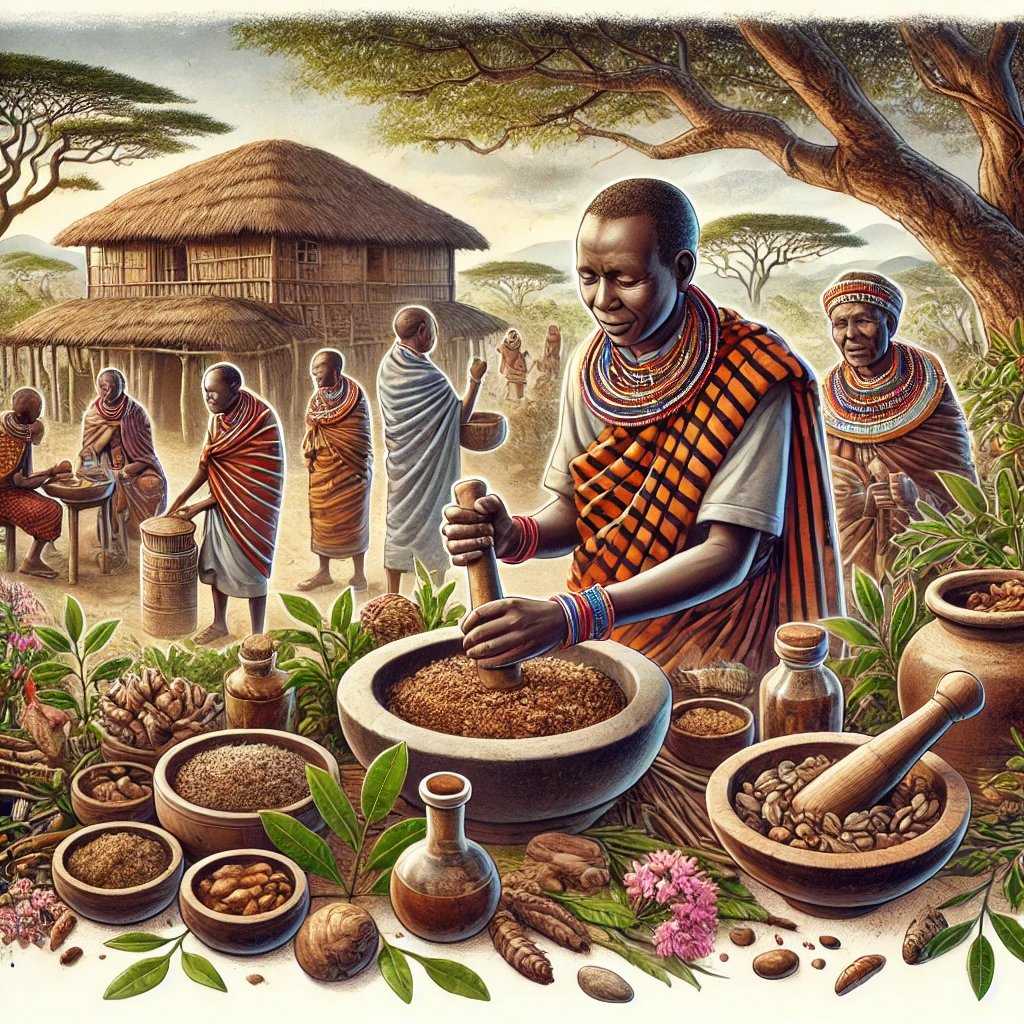
Traditional Medicine in Tanzania
Traditional medicine has played a vital role in Tanzanian healthcare for centuries, deeply rooted in the country’s diverse cultural and ethnic traditions. Despite the growth of modern medical practices, many Tanzanians still rely on herbal remedies, spiritual healing, and indigenous knowledge for treatment. Here’s a look at the significance, practices, and challenges of traditional medicine in Tanzania.
1. The Role of Traditional Medicine
Traditional medicine in Tanzania serves as a primary healthcare source, particularly in rural areas where access to modern medical facilities is limited. It is widely used to treat ailments ranging from minor infections to chronic illnesses, often complementing modern treatments. Traditional healers, known as waganga, are highly respected in their communities and often serve as both medical practitioners and spiritual advisors.
2. Common Traditional Remedies
Tanzanian traditional medicine relies on a variety of natural ingredients, including plants, minerals, and animal products. Some commonly used remedies include:
- Neem (Mwarobaini): Used to treat malaria, fever, and skin infections.
- Baobab (Mbuyu): Known for its high vitamin C content, it boosts immunity and aids digestion.
- Moringa (Mzunze or Mlonge): A powerful medicinal plant used for diabetes, high blood pressure, and overall wellness.
- Aloe Vera: Applied for burns, wounds, and digestive issues.
- Ginger and Garlic: Commonly used for respiratory conditions and to strengthen immunity.
3. Spiritual and Holistic Healing
Beyond herbal treatments, Tanzanian traditional medicine incorporates spiritual healing practices. Many illnesses are believed to have spiritual or supernatural causes, and healers often perform rituals, prayers, and divination to diagnose and treat conditions. Some waganga specialize in expelling bad spirits, while others provide charms and protective amulets (hirizi) to ward off illness or misfortune.
4. Integration with Modern Medicine
In recent years, there has been growing recognition of traditional medicine in Tanzania’s healthcare system. Some hospitals and clinics now collaborate with traditional healers, and research institutions are studying the medicinal properties of local herbs. The government has also introduced policies to regulate traditional medicine and ensure its safe use.
5. Challenges and Ethical Concerns
Despite its benefits, traditional medicine faces several challenges:
- Lack of scientific validation: Many remedies are based on oral traditions rather than clinical studies.
- Risk of misdiagnosis: Some healers may lack proper medical training, leading to incorrect treatments.
- Overharvesting of medicinal plants: Unsustainable use of herbs can threaten biodiversity.
- Conflict with modern medicine: Some patients rely solely on traditional treatments, avoiding hospitals even when necessary.
Conclusion
Traditional medicine remains an essential part of Tanzania’s healthcare system, offering valuable knowledge passed down through generations. While it provides accessible and culturally relevant treatments, efforts to integrate it with modern medical practices can enhance its safety and effectiveness. By preserving indigenous healing traditions while ensuring scientific validation, Tanzania can continue to benefit from both ancient wisdom and modern advancements.
For more tips on improving your photography and editing skills, check out helpful guides to take your selfies to the next level.
Добавить комментарий