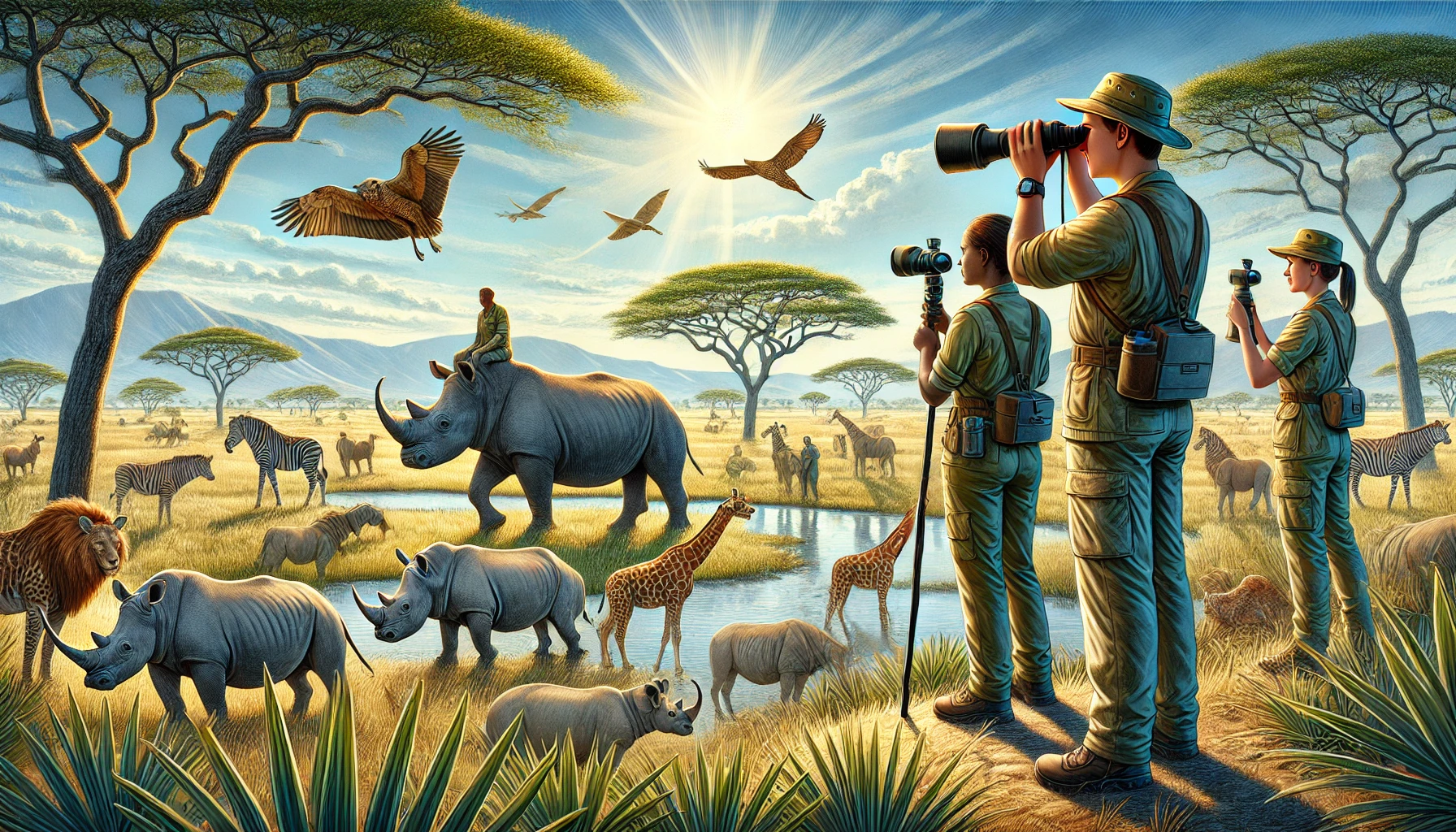
Wildlife Conservation in Botswana
Botswana is one of Africa’s leading nations in wildlife conservation, known for its commitment to protecting its natural heritage. With vast, unspoiled landscapes and a strong focus on sustainable tourism, the country has become a haven for wildlife, including elephants, lions, rhinos, and African wild dogs. Here’s an in-depth look at Botswana’s conservation efforts and the incredible wildlife it protects.
1. Botswana’s Commitment to Conservation
Botswana has dedicated over 40% of its land to national parks, game reserves, and wildlife management areas. The country follows a high-value, low-impact tourism model, ensuring that tourism benefits conservation efforts while minimizing environmental damage. This approach has made Botswana a global leader in sustainable ecotourism.
2. Key Conservation Areas in Botswana
Okavango Delta (UNESCO World Heritage Site)
- A pristine wetland ecosystem home to elephants, hippos, leopards, and diverse bird species.
- Seasonal floods create a rich habitat, supporting one of Africa’s most biodiverse regions.
- Conservation efforts focus on maintaining natural water flows and protecting endangered species.
Chobe National Park
- Famous for its massive elephant population, with over 120,000 elephants—the largest concentration in Africa.
- The Chobe River provides a crucial water source, sustaining a variety of wildlife.
- Anti-poaching measures have been instrumental in protecting rhinos and big cats.
Central Kalahari Game Reserve
- A semi-arid desert ecosystem that supports unique species like the black-maned Kalahari lion and brown hyena.
- Conservation projects focus on preserving fragile desert habitats and ensuring sustainable coexistence with local communities.
Makgadikgadi Pans National Park
- Home to one of the world’s largest salt flats and seasonal wildlife migrations, including zebras and flamingos.
- Efforts are underway to restore natural migration routes that were previously disrupted by human development.
3. Conservation Challenges in Botswana
Human-Wildlife Conflict
As human populations expand, conflicts between communities and wildlife—especially elephants and predators—have increased. Conservation programs are working to develop wildlife corridors and implement community-driven solutions to mitigate these conflicts.
Poaching and Illegal Wildlife Trade
While Botswana has some of the strictest anti-poaching laws in Africa, rhino poaching has been on the rise. The government, alongside NGOs, has increased anti-poaching patrols and relocated rhinos to safer areas.
Climate Change and Water Scarcity
Changing rainfall patterns threaten water sources crucial for both wildlife and communities. Conservationists are focusing on wetland protection and sustainable water management to combat these effects.
4. Successful Conservation Initiatives
Rhino Reintroduction Programs
- Botswana has been at the forefront of black and white rhino conservation, successfully reintroducing rhinos to the Okavango Delta after they were nearly wiped out by poaching.
- NGOs like Rhino Conservation Botswana play a crucial role in monitoring and protecting these endangered species.
Elephant Protection and Migration Corridors
- Botswana’s elephant population is one of the largest in the world, and conservationists are working to create safe migration corridors across Southern Africa.
- The Kavango-Zambezi Transfrontier Conservation Area (KAZA) is a cross-border initiative that allows wildlife to move freely between Botswana, Namibia, Zambia, Zimbabwe, and Angola.
Community-Based Conservation (CBNRM Programs)
- Programs like Community-Based Natural Resource Management (CBNRM) involve local communities in conservation efforts, providing them with economic incentives to protect wildlife.
- The Khama Rhino Sanctuary is a successful example of community-led conservation, where locals help protect rhinos while benefiting from eco-tourism.
5. How Tourists Can Support Conservation
- Choose Eco-Friendly Lodges: Many safari lodges in Botswana contribute to conservation by funding anti-poaching units and research projects.
- Support Responsible Tourism: Stick to designated wildlife viewing areas and respect local guidelines.
- Donate or Volunteer: Organizations like Rhino Conservation Botswana, Elephants Without Borders, and the Botswana Predator Conservation Trust welcome support from visitors.
Why Botswana’s Conservation Efforts Matter
Botswana’s approach to wildlife conservation serves as a model for sustainable ecotourism and environmental protection. By balancing economic development with the preservation of its stunning landscapes and diverse wildlife, Botswana continues to be a leader in conservation on the African continent.
For more tips on improving your photography and editing skills, check out helpful guides to take your selfies to the next level.
Добавить комментарий