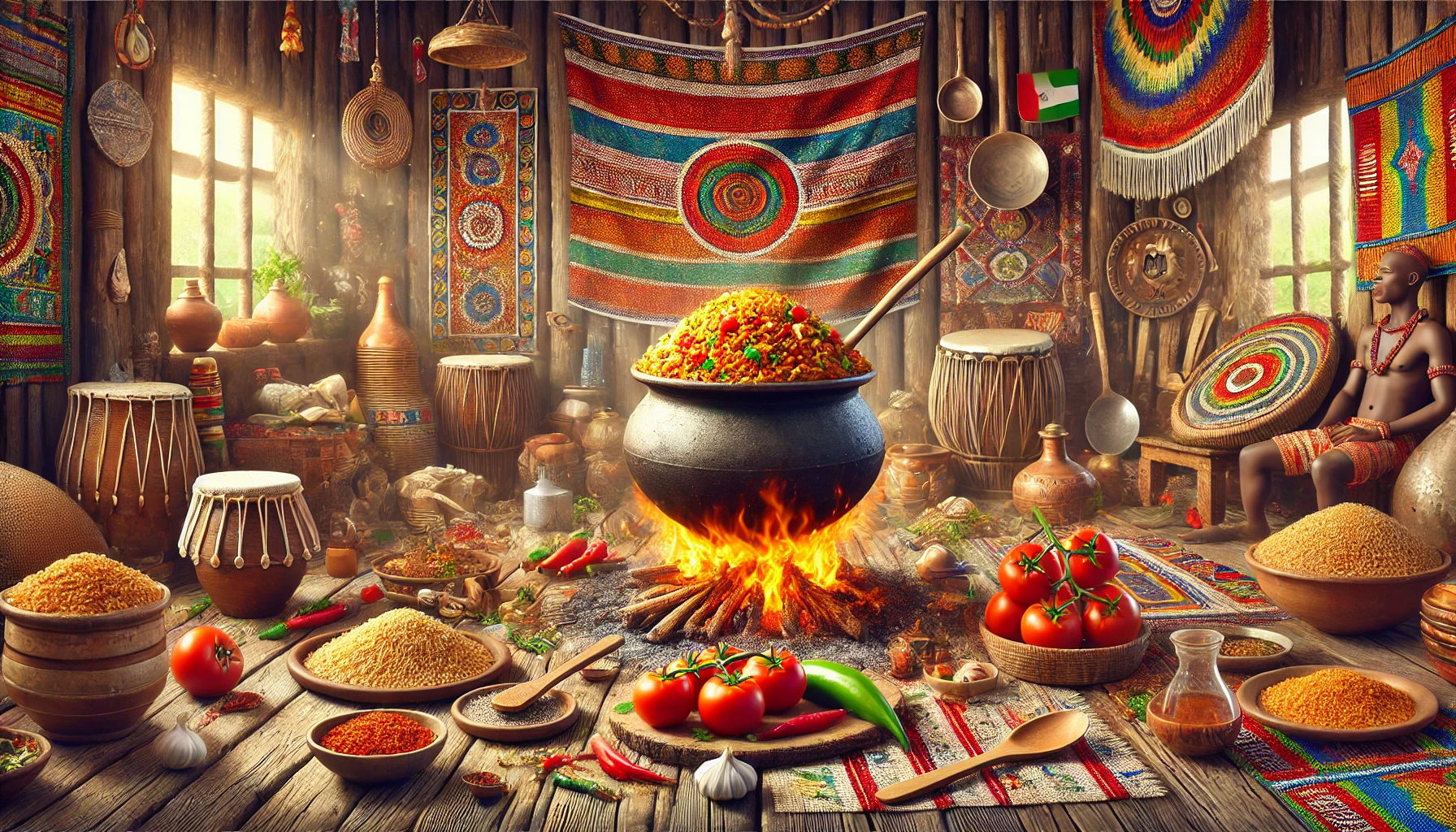
West African Jollof Rice Origins
Jollof rice is more than just a beloved dish in West Africa—it’s a cultural phenomenon that unites and divides people with its rich flavors and deep-rooted history. Found across countries like Nigeria, Ghana, Senegal, Sierra Leone, and others, Jollof rice has sparked debates over which nation makes it best, but its origins tell a fascinating story of culinary and cultural exchange.
The Birthplace: Senegal’s Thieboudienne
The roots of Jollof rice can be traced back to Senegal, specifically to a dish called thieboudienne (pronounced cheb-u-jen), which is considered a precursor to modern Jollof. This dish, traditionally made with rice, fish, tomatoes, and vegetables, originated among the Wolof people, a prominent ethnic group in the Senegambian region. The name «Jollof» itself is believed to be derived from «Wolof,» linking the dish directly to its cultural origins.
The Spread of Jollof Rice
The spread of Jollof rice throughout West Africa can be attributed to trade and the introduction of rice cultivation in the region. During the 15th and 16th centuries, Portuguese traders brought tomatoes to Africa, which became a key ingredient in the dish. As the dish evolved, each region began to adapt it using local spices, proteins, and techniques, resulting in the distinct variations we see today.
Regional Variations
- Senegal and Gambia: In its birthplace, Jollof is still closely related to thieboudienne. It’s often cooked with fish and includes vegetables like carrots, cabbage, and cassava.
- Nigeria: Nigerian Jollof is bold and smoky, thanks to the use of parboiled rice, tomato paste, and a blend of spices. It’s often served with fried plantains, grilled chicken, or beef.
- Ghana: Ghanaians make their Jollof with aromatic basmati or long-grain rice, which gives it a slightly lighter texture. It’s typically spicier than Nigerian Jollof and often paired with fried fish or shito, a spicy black pepper sauce.
- Sierra Leone and Liberia: Jollof in these countries is known for its inclusion of extra vegetables, like peas or green beans, and sometimes coconut milk for a richer flavor.
Jollof Rice and Cultural Pride
Jollof ric has become a symbol of national pride in West Africa, sparking heated «Jollof wars» over which country has the best recipe. While the rivalry is often playful, it underscores how deeply the dish is woven into the cultural fabric of the region. From weddings and family gatherings to street food stalls, Jollof is a centerpiece of West African cuisine and community.
Global Influence
The love for Jollof rice has spread far beyond Africa, finding its way to international kitchens and food festivals. Today, it’s celebrated globally, from London to New York, as chefs and food enthusiasts embrace its rich flavors and vibrant history.
For more tips on improving your photography and editing skills, check out helpful guides to take your selfies to the next level at ocean.co.ua.
Добавить комментарий