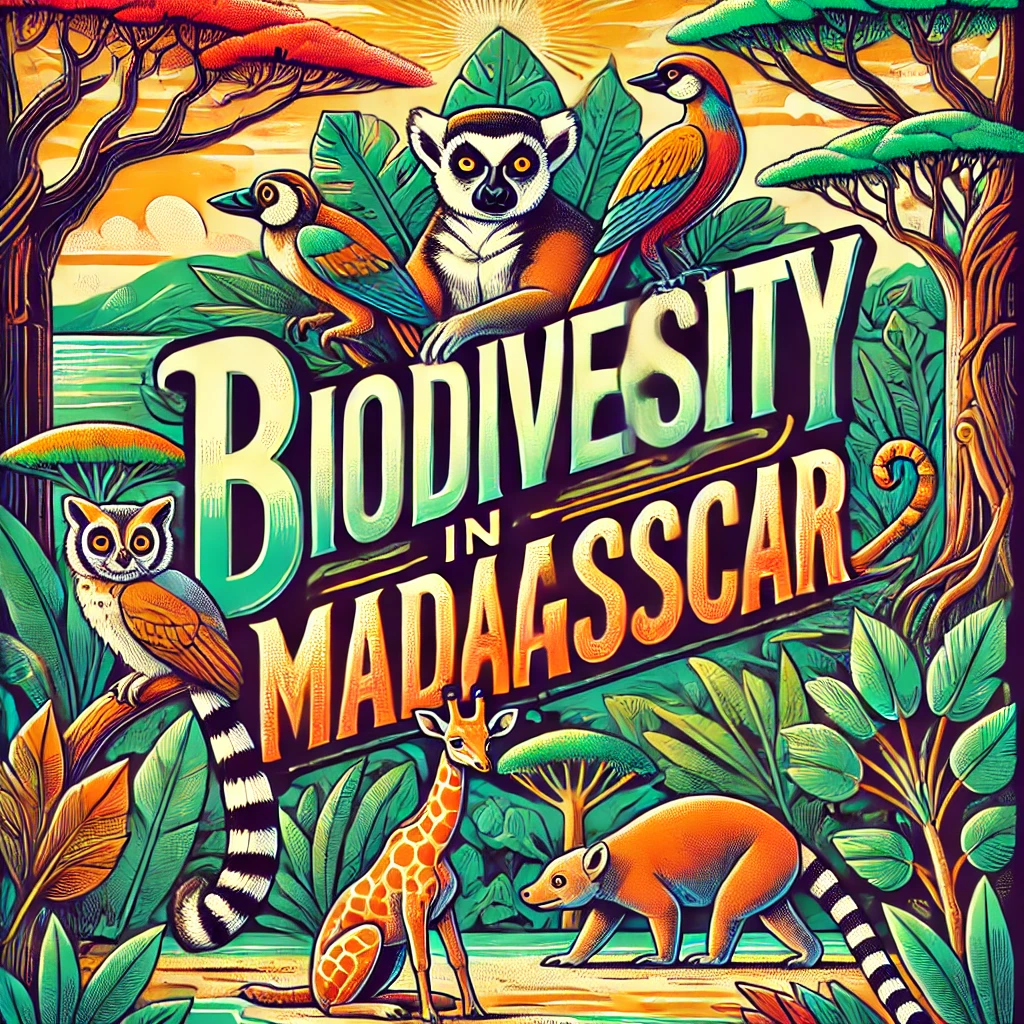
Biodiversity in Madagascar
Madagascar, often referred to as the «eighth continent,» is a biodiversity hotspot like no other. This island nation off the southeastern coast of Africa boasts a staggering variety of flora and fauna, much of which is found nowhere else on Earth. Its unique ecosystems, shaped by millions of years of isolation, make Madagascar a living laboratory for evolution and an unmissable destination for nature enthusiasts.
The Rich Biodiversity of Madagascar
1. Unique Wildlife
Madagascar is home to some of the world’s most fascinating animals, many of which are endemic to the island:
- Lemurs: These primates are the stars of Madagascar’s biodiversity. With over 100 species, ranging from the tiny mouse lemur to the large indri, lemurs are a symbol of the island’s incredible wildlife.
- Fossa: A cat-like carnivorous mammal, the fossa is Madagascar’s top predator, known for its agility and hunting prowess.
- Chameleons: Madagascar is home to almost half of the world’s chameleon species, including the tiny Brookesia micra, one of the smallest reptiles on Earth.
2. Incredible Plant Diversity
Madagascar’s plant life is just as remarkable as its wildlife. Over 80% of its plant species are endemic, including:
- Baobab Trees: Often called the “upside-down tree,” baobabs are iconic in Madagascar, with six of the world’s eight baobab species found only here.
- Orchids: Madagascar is a paradise for orchid lovers, with around 1,000 species, many of which are endemic.
- Ravenala (Traveler’s Palm): This emblematic tree, unique to Madagascar, is known for its fan-like shape and ability to store water in its trunk.
3. Marine and Coastal Biodiversity
The waters surrounding Madagascar are teeming with marine life, thanks to coral reefs, mangroves, and seagrass beds. Highlights include:
- Coral Reefs: Rich in biodiversity, these reefs are home to colorful fish, sea turtles, and vibrant corals.
- Whale Watching: Humpback whales migrate to Madagascar’s waters to breed, offering visitors the chance to witness their majestic displays.
- Coelacanth: This ancient fish, once thought extinct, was rediscovered in Madagascar’s waters, highlighting the island’s importance in marine conservation.
Threats to Biodiversity
Despite its incredible biodiversity, Madagascar faces significant environmental challenges, including:
- Deforestation: Slash-and-burn agriculture and illegal logging have led to widespread loss of forests, threatening habitats.
- Climate Change: Rising temperatures and changing weather patterns are putting pressure on delicate ecosystems.
- Poaching and Illegal Wildlife Trade: Many of Madagascar’s unique species are at risk due to hunting and the pet trade.
Conservation Efforts
Madagascar’s government, along with international organizations, has been working to protect its unique biodiversity. Conservation initiatives include:
- Establishing national parks and reserves, such as Andasibe-Mantadia National Park and Ranomafana National Park, which serve as sanctuaries for endangered species.
- Community-based conservation programs that involve local communities in sustainable resource management.
- Reforestation projects to restore degraded landscapes and protect native species.
Conclusion
Madagascar’s biodiversity is a treasure trove of natural wonders that continues to captivate scientists and travelers alike. From the playful lemurs in its forests to the vibrant coral reefs along its shores, the island’s unique ecosystems are a testament to the beauty and fragility of nature. Protecting Madagascar’s biodiversity is not just a local responsibility—it’s a global imperative.
For more tips on improving your photography and editing skills, check out helpful guides to take your selfies to the next level.
Добавить комментарий