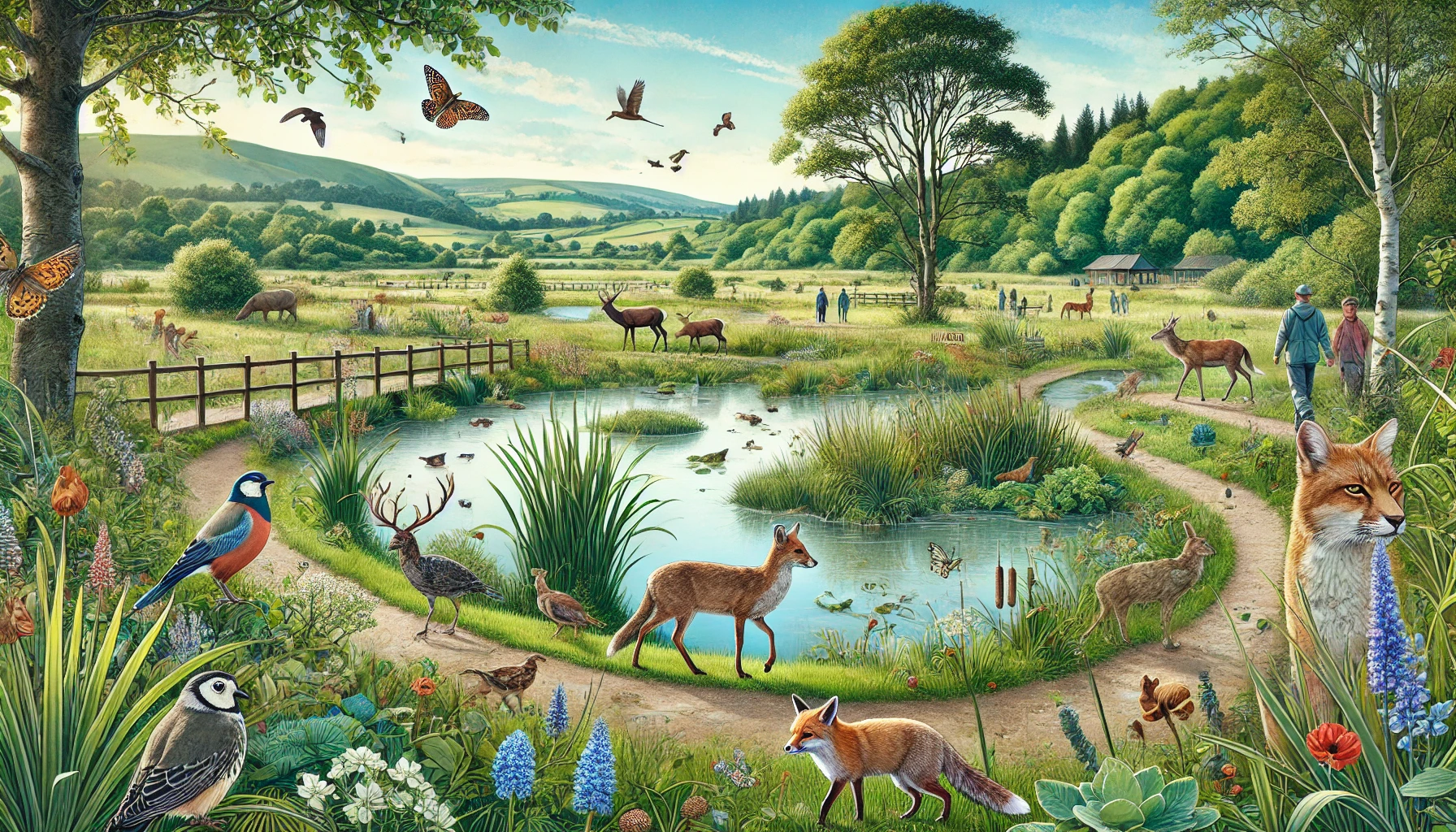
Wildlife Sanctuaries in the UK
The United Kingdom is home to a remarkable variety of wildlife sanctuaries and nature reserves, offering a chance to connect with the natural world and observe some of the country’s most incredible flora and fauna. From coastal havens to ancient forests, these protected areas are ideal for nature enthusiasts, photographers, and families. Here’s a guide to some of the best wildlife sanctuaries in the UK.
1. RSPB Minsmere (Suffolk)
Located on the Suffolk coast, RSPB Minsmere is one of the UK’s premier birdwatching destinations.
- What to See: Bitterns, avocets, and marsh harriers.
- Activities:
- Explore the nature trails through reedbeds, woodland, and coastal lagoons.
- Join guided birdwatching tours and seasonal events.
- Why Visit: It’s a haven for bird lovers and a serene spot to enjoy the great outdoors.
2. Scottish Highlands (Cairngorms National Park)
The Cairngorms is a vast wilderness teeming with wildlife and stunning landscapes.
- Wildlife Highlights:
- Red deer, golden eagles, Scottish wildcats, and capercaillies.
- The chance to spot reintroduced species like beavers and white-tailed eagles.
- Activities: Hike through ancient Caledonian pine forests, or join wildlife safaris led by expert guides.
- Why It’s Special: This park is a true showcase of Scotland’s rugged beauty and biodiversity.
3. Skomer Island (Pembrokeshire, Wales)
A stunning island sanctuary off the Welsh coast, Skomer is famous for its seabird colonies.
- What to See:
- Puffins (seasonal, from April to July).
- Grey seals and diverse wildflowers in spring.
- Activities:
- Walk the island’s trails for panoramic views of the coastline.
- Observe seabirds nesting on the cliffs.
- Pro Tip: Book ferry tickets in advance, as access to the island is limited to preserve its fragile ecosystem.
4. Farne Islands (Northumberland)
The Farne Islands are a wildlife haven in northern England, accessible by boat from Seahouses.
- Wildlife Highlights:
- Thousands of puffins, guillemots, and Arctic terns.
- Grey seals basking on the rocks.
- Activities:
- Take a boat trip around the islands to get up close to the wildlife.
- Visit Inner Farne, which is open to the public in summer.
- Why Visit: It’s a spectacular spot for birdwatching and marine wildlife enthusiasts.
5. Slimbridge Wetland Centre (Gloucestershire)
Run by the Wildfowl & Wetlands Trust (WWT), Slimbridge is a sanctuary for wetland species.
- What to See:
- Swans, geese, ducks, and flamingos.
- Rare species like the nene (Hawaiian goose).
- Activities:
- Explore the bird hides and feeding areas.
- Family-friendly attractions, such as pond dipping and canoe safaris.
- Why It’s Unique: Slimbridge is a great destination for families and offers an educational experience for children.
6. Lundy Island (Devon)
Lundy Island, located in the Bristol Channel, is a remote and tranquil wildlife retreat.
- Wildlife Highlights:
- Puffins, Manx shearwaters, and grey seals.
- Unique marine life, including basking sharks and dolphins.
- Activities:
- Explore the island’s walking trails and scenic coastlines.
- Snorkel or dive to experience its marine conservation zone.
- Why Visit: The island’s unspoiled beauty and peaceful atmosphere make it a perfect getaway for nature lovers.
7. New Forest National Park (Hampshire)
The New Forest is a mix of ancient woodland, heathland, and grassland teeming with wildlife.
- What to See:
- Free-roaming ponies, deer, and rare birds like woodlarks.
- Activities:
- Walk or cycle through picturesque trails.
- Visit wildlife centers that educate visitors about the park’s flora and fauna.
- Why It’s Special: The park is a unique blend of natural beauty and cultural heritage.
8. Wicken Fen National Nature Reserve (Cambridgeshire)
As one of the oldest nature reserves in England, Wicken Fen offers an authentic glimpse into Fenland ecosystems.
- Wildlife Highlights:
- Dragonflies, marsh harriers, and otters.
- Activities:
- Explore boardwalk trails and waterways.
- Rent a bike to venture further into the Fen.
- Why Visit: Its pristine habitats provide a rare opportunity to experience the UK’s fenlands.
9. Loch Lomond and The Trossachs National Park (Scotland)
This expansive park combines stunning lochs and mountains with thriving wildlife.
- Wildlife to Spot:
- Red squirrels, ospreys, and pine martens.
- Highland cattle grazing in the fields.
- Activities:
- Walk scenic trails or take a boat trip on Loch Lomond.
- Visit the Falls of Dochart, a stunning natural highlight.
10. Brownsea Island (Dorset)
Situated in Poole Harbour, Brownsea Island is a sanctuary for rare species.
- What to See:
- Red squirrels and peacocks.
- Birds such as kingfishers and avocets.
- Activities:
- Enjoy walking trails with coastal views.
- Take part in wildlife spotting events and educational programs.
- Pro Tip: The island is managed by the National Trust, and visitor numbers are carefully regulated.
Conclusion
The UK’s wildlife sanctuaries provide incredible opportunities to connect with nature, whether you’re spotting puffins on Skomer Island or red squirrels in Brownsea. Each sanctuary offers something unique, showcasing the country’s rich biodiversity and stunning landscapes.
For more tips on discovering nature reserves and planning eco-friendly travel, check out helpful guides on ocean.co.ua.
Добавить комментарий