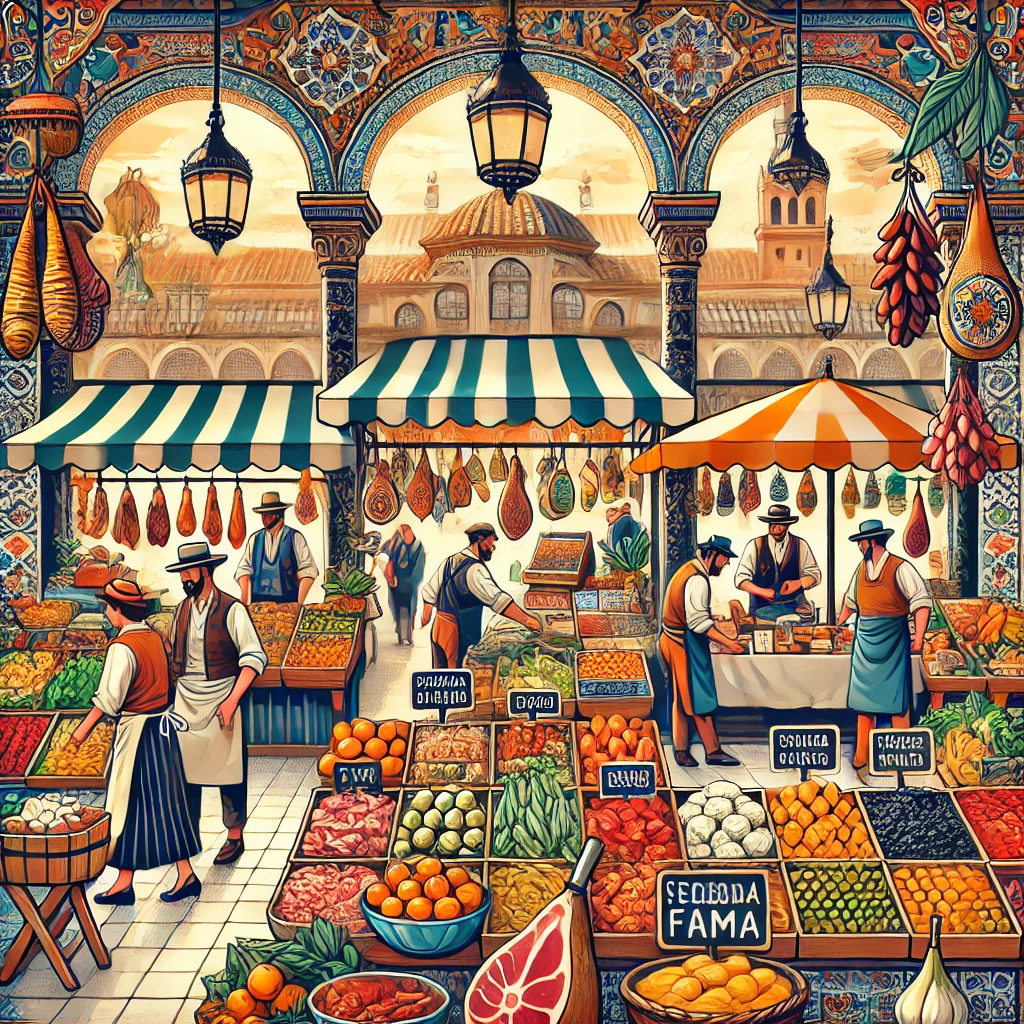
Traditional Markets in Spain
Spain’s traditional markets are at the heart of its culture, offering a vibrant blend of flavors, sights, and local charm. These bustling spaces are where locals shop for fresh produce, artisanal goods, and regional specialties. Whether you’re looking to sample cured ham, sip local wine, or experience the atmosphere of a lively marketplace, Spain’s markets are a must-visit. Here’s your guide to the best traditional markets in Spain.
1. Mercado de San Miguel (Madrid)
a. Overview
- Located in the heart of Madrid, Mercado de San Miguel is a historic food market turned gourmet hotspot, combining traditional and modern Spanish cuisine.
b. Why It’s Special
- Gastronomic Delight: Enjoy tapas, fresh seafood, and wine all under one roof.
- Iconic Architecture: A beautiful iron and glass structure dating back to 1916.
- Variety of Vendors: From Iberian ham to oysters, there’s something for everyone.
c. Must-Try
- Croquettes: Creamy and indulgent, available in various flavors.
- Vermouth on Tap: A classic Madrid aperitif.
d. Location
- Plaza de San Miguel, Madrid.
2. La Boqueria (Barcelona)
a. Overview
- Situated along La Rambla, La Boqueria is one of Europe’s most famous food markets, offering a sensory overload of colors, smells, and flavors.
b. Why It’s Special
- Fresh Ingredients: From seafood to exotic fruits, it’s a haven for food lovers.
- Tapas Bars: Enjoy local dishes like pa amb tomàquet or grilled squid at market stalls.
- Historic Roots: The market dates back to 1217, making it a cornerstone of Barcelona’s history.
c. Must-Try
- Fresh Fruit Juices: Perfect for a quick and refreshing treat.
- Jamón Ibérico: Spain’s famous cured ham.
d. Location
- La Rambla 91, Barcelona.
3. Mercado Central (Valencia)
a. Overview
- One of the largest markets in Europe, Mercado Central is a vibrant hub showcasing the best of Valencia’s produce and culinary heritage.
b. Why It’s Special
- Architectural Beauty: A stunning Art Nouveau building with colorful tiles and stained glass.
- Fresh Seafood: Valencia’s coastal location ensures top-quality fish and shellfish.
- Local Specialties: Stock up on oranges, saffron, and ingredients for making paella.
c. Must-Try
- Horchata: A refreshing local drink made from tiger nuts.
- Paella Ingredients: Pick up authentic rice and spices.
d. Location
- Plaza Ciudad de Brujas, Valencia.
4. Mercado de Triana (Seville)
a. Overview
- Located in the historic Triana neighborhood, this market blends local Andalusian flavors with a welcoming, authentic atmosphere.
b. Why It’s Special
- Local Charm: A smaller, less touristy market with a true community feel.
- Andalusian Products: Olive oil, sherry, and fresh produce are the highlights.
- Cultural Heritage: Built over the remains of the Castle of San Jorge.
c. Must-Try
- Tortilla Española: A classic Spanish omelette sold at many stalls.
- Salmorejo: A thicker, creamier cousin of gazpacho.
d. Location
- Calle San Jorge, Seville.
5. Mercado de la Ribera (Bilbao)
a. Overview
- Situated on the banks of the Nervión River, Mercado de la Ribera is Europe’s largest indoor market, offering a taste of Basque cuisine.
b. Why It’s Special
- Seafood Paradise: Showcasing the freshest fish from the Bay of Biscay.
- Local Pintxos: Try these Basque-style tapas at market bars.
- Art Deco Design: The market’s stunning architecture is a visual treat.
c. Must-Try
- Bacalao: Salted cod, a Basque staple.
- Txakoli Wine: A slightly sparkling white wine from the region.
d. Location
- Erribera Kalea, Bilbao.
6. Mercado Victoria (Córdoba)
a. Overview
- Housed in a 19th-century cast-iron pavilion, Mercado Victoria is a gourmet market offering a modern twist on traditional Cordoban cuisine.
b. Why It’s Special
- Fusion Cuisine: Combines Andalusian flavors with international dishes.
- Relaxed Atmosphere: Ideal for casual dining and sampling different foods.
- Cultural Events: Often hosts live music and cooking workshops.
c. Must-Try
- Flamenquín: A fried roll of ham and pork, typical of Córdoba.
- Salmorejo: A chilled tomato soup topped with ham and egg.
d. Location
- Paseo de la Victoria, Córdoba.
7. Mercado de Abastos (Santiago de Compostela)
a. Overview
- This market is a culinary hub in Galicia, offering local seafood, meats, and produce.
b. Why It’s Special
- Galician Seafood: Enjoy freshly shucked oysters and other seafood delights.
- Local Specialties: Features products like tetilla cheese and Galician bread.
- Lively Atmosphere: Popular with locals and pilgrims alike.
c. Must-Try
- Pulpo a la Gallega: Octopus served with paprika and olive oil.
- Empanada Gallega: A savory pie filled with fish or meat.
d. Location
- Rúa das Ameas, Santiago de Compostela.
8. El Rastro (Madrid)
a. Overview
- Though not a food market, El Rastro is Madrid’s most famous open-air flea market, offering a mix of antiques, crafts, and vintage finds.
b. Why It’s Special
- Historic Atmosphere: A Madrid tradition dating back to the 15th century.
- Eclectic Selection: From antique furniture to handmade jewelry.
- Street Food: Enjoy churros, bocadillos (sandwiches), and other snacks from nearby cafés.
c. Must-Try
- Churros con Chocolate: A sweet treat to fuel your shopping.
- Bocadillo de Calamares: Fried calamari sandwich, a Madrid classic.
d. Location
- La Latina neighborhood, Madrid (Sundays).
9. Mercado de Atarazanas (Málaga)
a. Overview
- Named after the shipyard that once stood here, Mercado de Atarazanas is a vibrant market in Málaga offering the best of Andalusian flavors.
b. Why It’s Special
- Fresh Seafood: Perfectly grilled fish and seafood tapas.
- Historic Setting: A stunning 19th-century building with Moorish arches and stained glass.
- Casual Dining: Many stalls serve freshly prepared dishes.
c. Must-Try
- Boquerones: Fresh anchovies served fried or in vinegar.
- Tinto de Verano: A refreshing mix of red wine and soda water.
d. Location
- Calle Atarazanas 10, Málaga.
10. Mercado de Colón (Valencia)
a. Overview
- A modernist masterpiece turned gourmet market, Mercado de Colón is a stylish destination for food and drinks.
b. Why It’s Special
- Architectural Marvel: Features stunning Art Nouveau details.
- Upscale Dining: Includes wine bars, coffee shops, and gourmet food stalls.
- Relaxed Vibe: A great spot to unwind and people-watch.
c. Must-Try
- Agua de Valencia: A local cocktail made with orange juice, cava, vodka, and gin.
- Paella Tasting: Sample small portions of Valencia’s signature dish.
d. Location
- Calle Jorge Juan 19, Valencia.
Tips for Visiting Traditional Markets in Spain
- Arrive Early: Mornings are the best time to experience the freshest produce and vibrant atmosphere.
- Bring Cash: Many vendors, especially in smaller markets, only accept cash.
- Sample Freely: Vendors often offer samples of their products—don’t hesitate to try before you buy.
- Learn Basic Spanish: A few phrases can go a long way in interacting with locals.
- Pack Light: Markets can get crowded, so avoid bringing bulky bags.
Final Thoughts
Spain’s traditional markets are more than just shopping destinations—they’re cultural experiences that showcase the country’s culinary heritage and lively spirit. From the gourmet delights of Mercado de San Miguel to the coastal charm of Mercado de la Ribera, each market offers a unique taste of Spain’s regional diversity.
For more travel tips and market guides, check out helpful guides to plan your perfect Spanish adventure.
Добавить комментарий