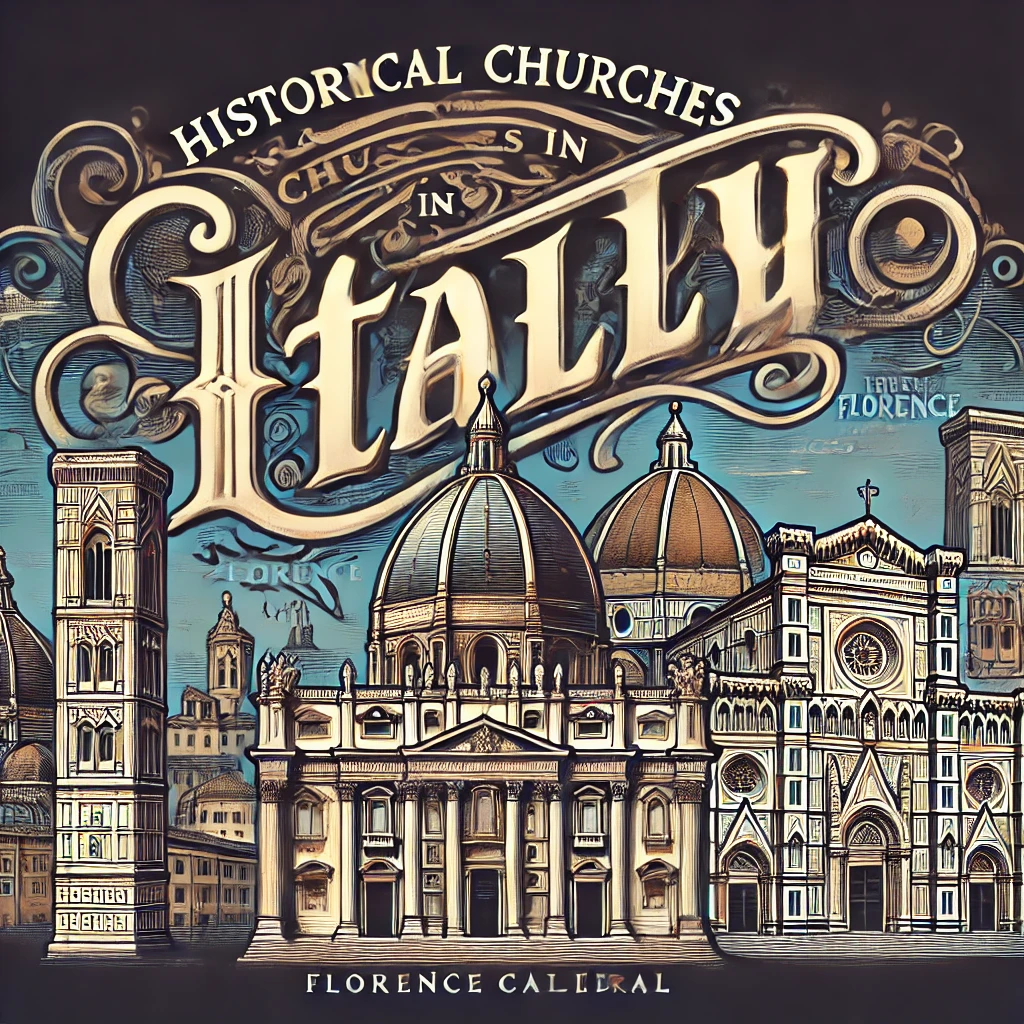
Historical Churches in Italy: A Journey Through Art, Architecture, and Faith
Italy, the heart of the Catholic world and the cradle of the Renaissance, is home to some of the most breathtaking churches in the world. These sacred sites tell stories of faith, artistic genius, and architectural innovation, each one a masterpiece in its own right. Whether you’re captivated by soaring domes, intricate frescoes, or the serenity of ancient chapels, Italy’s historical churches are a must-see. Here’s a guide to the most iconic historical churches in Italy.
1. St. Peter’s Basilica (Basilica di San Pietro) – Vatican City
Overview:
Located in Vatican City, St. Peter’s Basilica is the epicenter of Catholicism and one of the world’s largest churches.
- What to See:
- The Dome: Designed by Michelangelo, it offers panoramic views of Rome.
- The Pietà: Michelangelo’s stunning marble sculpture of Mary cradling Jesus.
- St. Peter’s Square: An architectural marvel designed by Gian Lorenzo Bernini.
- Why It’s Special: It’s the burial site of St. Peter, one of Christ’s apostles, and a cornerstone of Christianity.
Tip: Arrive early to avoid long lines, and don’t miss the climb to the dome for an unforgettable view.
Location: Vatican City
2. Florence Cathedral (Cattedrale di Santa Maria del Fiore) – Florence
Overview:
Known as the Duomo, Florence’s cathedral is an iconic symbol of the Renaissance.
- What to See:
- The Dome: Brunelleschi’s engineering masterpiece.
- Giotto’s Bell Tower: A striking companion to the cathedral, offering panoramic views.
- The Baptistery Doors: Lorenzo Ghiberti’s «Gates of Paradise» panels.
- Why It’s Special: Its massive dome was an engineering marvel of its time and remains one of Italy’s most recognizable landmarks.
Tip: Reserve tickets in advance to climb the dome and bell tower.
Location: Piazza del Duomo, Florence
3. St. Mark’s Basilica (Basilica di San Marco) – Venice
Overview:
A blend of Byzantine and Gothic architecture, St. Mark’s Basilica is the jewel of Venice.
- What to See:
- The Mosaics: Over 8,000 square meters of shimmering gold mosaics.
- The Pala d’Oro: A stunning golden altarpiece encrusted with jewels.
- The Horses of St. Mark: Ancient bronze statues on the basilica’s terrace.
- Why It’s Special: Its opulent design reflects Venice’s wealth and cultural connections during the Middle Ages.
Tip: Visit early in the morning or late afternoon to avoid crowds, and explore the terrace for views of Piazza San Marco.
Location: Piazza San Marco, Venice
4. The Basilica of St. Francis of Assisi (Basilica di San Francesco) – Assisi
Overview:
This UNESCO World Heritage Site is a pilgrimage destination dedicated to St. Francis, the patron saint of animals and the environment.
- What to See:
- Frescoes by Giotto and Cimabue: Depicting the life of St. Francis.
- The Upper and Lower Basilicas: Each offering unique artistic and spiritual experiences.
- The Crypt: Where St. Francis’s tomb is located.
- Why It’s Special: The basilica’s art and architecture embody the ideals of simplicity and devotion central to St. Francis’s teachings.
Tip: Spend time in the peaceful surroundings of Assisi to fully appreciate the basilica’s serene beauty.
Location: Piazza Inferiore di San Francesco, Assisi
5. Milan Cathedral (Duomo di Milano) – Milan
Overview:
One of the largest Gothic cathedrals in the world, the Duomo di Milano is a masterpiece of intricate spires and statues.
- What to See:
- The Rooftop: A unique opportunity to walk among the spires and enjoy panoramic city views.
- The Statue of the Madonna: Perched atop the tallest spire, symbolizing Milan.
- The Interior: Stained glass windows and stunning marble columns.
- Why It’s Special: Its construction took nearly six centuries, resulting in an extraordinary blend of Gothic artistry and craftsmanship.
Tip: Visit at sunset to see the golden light on the rooftop and the Madonna statue.
Location: Piazza del Duomo, Milan
6. Pantheon – Rome
Overview:
Originally a Roman temple dedicated to all gods, the Pantheon is now a church and one of Rome’s best-preserved ancient buildings.
- What to See:
- The Oculus: A large circular opening at the top of the dome, symbolizing a connection to the heavens.
- The Tomb of Raphael: The renowned Renaissance artist is buried here.
- The Dome: The largest unreinforced concrete dome in the world.
- Why It’s Special: Its harmonious proportions and engineering genius continue to inspire awe.
Tip: Entry is free, but arrive early to avoid crowds, especially on weekends.
Location: Piazza della Rotonda, Rome
7. Siena Cathedral (Cattedrale di Santa Maria Assunta) – Siena
Overview:
Siena’s cathedral is a Gothic masterpiece adorned with intricate details inside and out.
- What to See:
- The Marble Facade: A stunning display of black and white stripes.
- The Piccolomini Library: Featuring vibrant frescoes by Pinturicchio.
- The Mosaic Floor: Elaborate marble inlays depicting biblical scenes.
- Why It’s Special: Its unique striped design and artistic treasures make it one of Italy’s most striking cathedrals.
Tip: Visit during the annual floor unveiling to see the full mosaic floor.
Location: Piazza del Duomo, Siena
8. Basilica of Sant’Ambrogio – Milan
Overview:
Dedicated to Milan’s patron saint, this Romanesque basilica is one of the oldest in Italy.
- What to See:
- The Golden Altar: A magnificent 9th-century masterpiece adorned with jewels and gold.
- The Crypt: Housing the relics of St. Ambrose and two martyrs.
- The Courtyard: A peaceful space surrounded by Romanesque arches.
- Why It’s Special: Its simplicity and historical significance make it a quiet retreat from Milan’s bustling streets.
Tip: Combine your visit with nearby attractions like the Leonardo da Vinci Museum of Science and Technology.
Location: Piazza Sant’Ambrogio, Milan
9. Church of San Lorenzo – Florence
Overview:
Designed by Brunelleschi, San Lorenzo is one of Florence’s oldest churches and a masterpiece of Renaissance architecture.
- What to See:
- The Medici Chapels: The grand mausoleum of the powerful Medici family.
- Michelangelo’s New Sacristy: Housing sculptures by the artist himself.
- The Library: A stunning example of Renaissance design.
- Why It’s Special: It’s a treasure trove of Renaissance art and history.
Tip: Spend time exploring the Medici Chapels for an in-depth look at Florence’s history.
Location: Piazza San Lorenzo, Florence
10. Basilica di Santa Croce – Florence
Overview:
Known as the «Temple of Italian Glories,» Santa Croce is the final resting place of many great Italians.
- What to See:
- Tombs of Michelangelo, Galileo, and Machiavelli: Honoring Italy’s greatest minds.
- Frescoes by Giotto: Depicting scenes from the life of St. Francis.
- The Pazzi Chapel: A masterpiece of Renaissance architecture by Brunelleschi.
- Why It’s Special: It’s a place where art, history, and faith converge.
Tip: Visit early to enjoy the peaceful atmosphere and take in the details of the frescoes.
Location: Piazza Santa Croce, Florence
Final Thoughts
Italy’s historical churches are more than just places of worship—they are living museums that reflect the country’s artistic and spiritual legacy. Whether it’s the grandeur of St. Peter’s Basilica or the serene beauty of Siena Cathedral, these sacred sites are an essential part of any trip to Italy.
Explore more travel tips and guides at guides.
Добавить комментарий