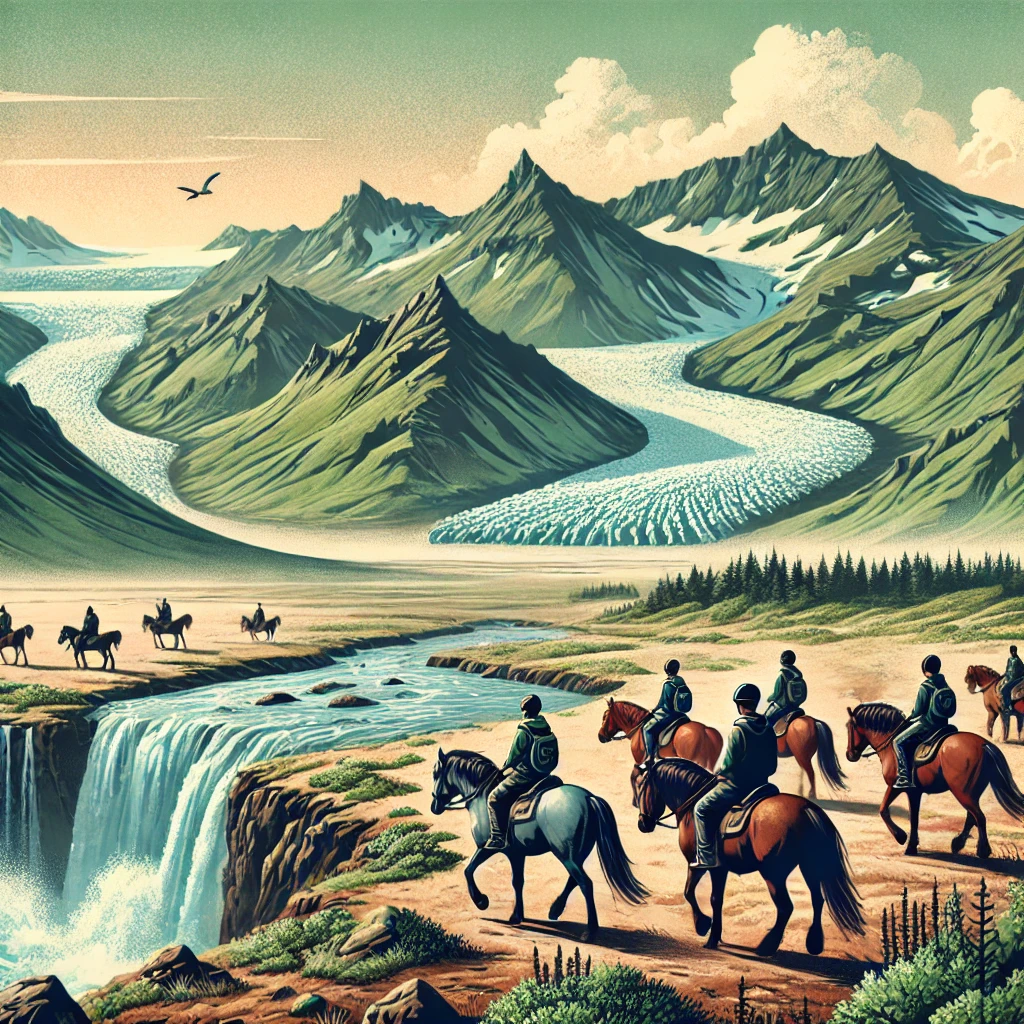
Horseback Riding in Iceland
Iceland is one of the best destinations in the world for horseback riding, thanks to its unique landscapes and the iconic Icelandic horse. Known for their small stature, strength, and unique gait (the tölt), Icelandic horses offer a comfortable and unforgettable riding experience. Here’s everything you need to know about horseback riding in Iceland.
Why Ride an Icelandic Horse?
- Unique Gait (Tölt): The tölt is a smooth, four-beat gait that allows riders to travel long distances comfortably.
- Historical Breed: Icelandic horses have been purebred for over 1,000 years, making them a cultural treasure.
- Adaptability: These horses are well-suited to Iceland’s rugged terrain and unpredictable weather.
Best Regions for Horseback Riding
- South Iceland
- Highlights: Black sand beaches, waterfalls, and lava fields.
- Top Trails:
- Vík and the Black Sand Beaches: Ride along volcanic beaches with views of sea stacks and cliffs.
- Þórsmörk (Thorsmork): Explore valleys, rivers, and mountains.
- Recommended Stables: Eldhestar, Hótel Rangá Riding Tours.
- Golden Circle
- Highlights: Famous landmarks like Gullfoss, Geysir, and Þingvellir National Park.
- Top Trails:
- Explore the Þingvellir region with views of Iceland’s tectonic rift.
- Recommended Stables: Laxnes Horse Farm.
- North Iceland
- Highlights: Geothermal areas, volcanic landscapes, and remote fjords.
- Top Trails:
- Lake Mývatn: Ride near hot springs and volcanic craters.
- Vatnsnes Peninsula: Experience dramatic coastlines and seal colonies.
- Recommended Stables: Saltvík Riding Tours, Hestasport.
- West Iceland and Snæfellsnes Peninsula
- Highlights: Glacier views, lava fields, and picturesque coastal cliffs.
- Top Trails:
- Snæfellsjökull National Park: Ride with views of the Snæfellsjökull glacier.
- Recommended Stables: Stóri-Kálfalækur.
- East Fjords
- Highlights: Remote fjords, lush valleys, and tranquil settings.
- Top Trails:
- Explore scenic trails along the coastline and mountains.
- Recommended Stables: Skorrahestar.
- Reykjavik and Surroundings
- Highlights: Accessible day tours close to the capital.
- Top Trails:
- Lava fields and moss-covered landscapes near Hafnarfjörður.
- Recommended Stables: Ishestar, Viking Horses.
Types of Tours
- Day Tours
- Ideal for beginners or travelers with limited time.
- Focused on scenic trails around key attractions.
- Multi-Day Tours
- Best for experienced riders.
- Explore remote areas and iconic trails like the Kjölur Highland Route.
- Includes accommodations in countryside guesthouses or mountain huts.
- Themed Rides
- Northern Lights Rides: Offered in winter for a chance to see the aurora borealis.
- Midnight Sun Rides: Available during summer for magical evening rides.
Tips for Horseback Riding in Iceland
- Dress in Layers: Icelandic weather can change rapidly. Wear waterproof outer layers and sturdy boots.
- Book in Advance: Popular stables and tours fill up quickly, especially in summer.
- Consider Your Skill Level: Tours are available for beginners to experienced riders. Make sure to choose one that matches your ability.
- Respect Local Regulations: Icelandic horses are protected by strict laws. Imported horses can never return to Iceland, and riding gear must be disinfected before arrival to prevent disease.
Best Time for Horseback Riding
- Summer (June to August): Ideal for long trails, midnight sun rides, and exploring the highlands.
- Winter (November to March): Perfect for Northern Lights tours, though weather conditions can be challenging.
Conclusion
Horseback riding in Iceland is an unforgettable way to connect with the country’s stunning landscapes and rich cultural heritage. Whether you’re galloping along a black sand beach or exploring volcanic trails, the experience is sure to leave a lasting impression.
For more tips on improving your photography and editing skills, check out helpful guides to take your selfies to the next level.
Добавить комментарий