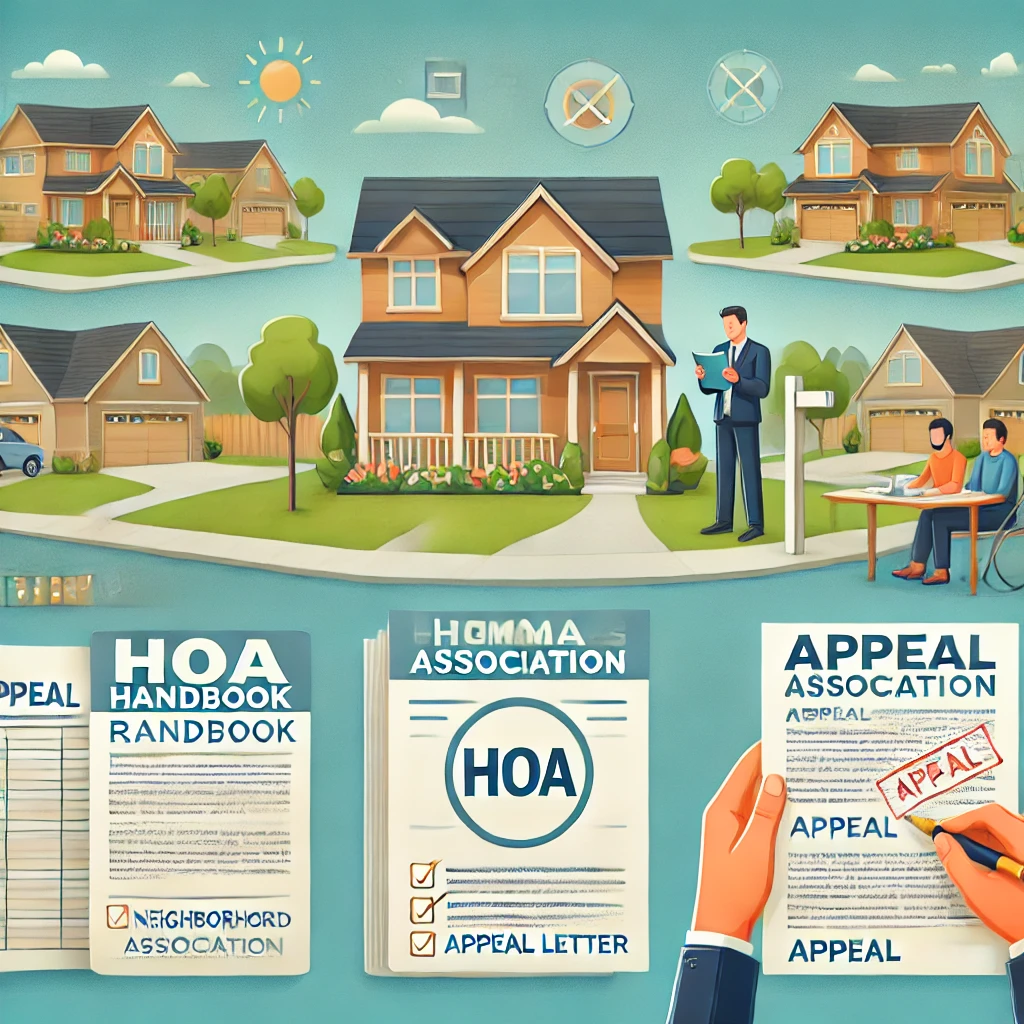
How to Deal with HOA Rules in the US
Homeowners Associations (HOAs) are common in the United States, especially in planned communities, condominiums, and townhouses. HOAs are designed to maintain property values and community standards, but they often come with strict rules and regulations that can feel restrictive or confusing for homeowners. Learning how to navigate HOA rules effectively can save you time, money, and frustration. Here’s a comprehensive guide to dealing with HOA rules in the US.
1. Understand the Purpose of an HOA
Before diving into specific rules, it’s important to understand what an HOA is and why it exists.
a. What is an HOA?
- An HOA is a governing body made up of elected residents (or sometimes hired management companies) that enforces rules and manages shared resources in a community.
- It is funded through mandatory monthly or annual fees paid by homeowners.
b. Purpose of HOAs
- Maintain Property Values: By enforcing rules about home appearance and upkeep, HOAs aim to ensure all homes meet a certain standard.
- Manage Shared Amenities: HOAs oversee shared facilities like pools, parks, and clubhouses.
- Promote Community Harmony: Rules are designed to create a pleasant and uniform environment for all residents.
2. Read and Understand the CC&Rs
The Covenants, Conditions, and Restrictions (CC&Rs) are the foundation of HOA rules.
a. What are CC&Rs?
- A document that outlines all the rules, restrictions, and responsibilities homeowners must follow in the community.
- Includes guidelines on property appearance, permitted activities, and use of shared spaces.
b. Key Sections to Review
- Exterior Modifications: Rules about landscaping, paint colors, fences, and decorations.
- Parking Restrictions: Limits on where you can park and the types of vehicles allowed.
- Pet Policies: Rules on the number, size, and type of pets permitted.
- Fees and Penalties: Information on HOA dues, late fees, and fines for rule violations.
c. Request a Copy
- You should receive the CC&Rs when you buy a property, but if you’ve misplaced it, request a copy from the HOA board or management company.
3. Attend HOA Meetings
HOA meetings are an opportunity to stay informed, voice concerns, and influence decisions.
a. Why You Should Attend
- Learn about upcoming changes, new rules, or budget decisions that may impact you.
- Network with board members and other residents to better understand community priorities.
b. Tips for Participating
- Be polite and respectful, even if you disagree with a rule or decision.
- Prepare questions or concerns in advance to address during open forums.
4. Follow the Rules, Even If You Don’t Agree
Ignoring HOA rules can lead to fines, penalties, or legal disputes.
a. Common Violations to Avoid
- Making unauthorized exterior changes (e.g., painting your house a different color).
- Leaving trash bins outside for too long after pickup.
- Parking an RV or commercial vehicle in your driveway without permission.
b. Consequences of Non-Compliance
- HOAs can impose fines, restrict access to amenities, or even place a lien on your property for unpaid fees or repeated violations.
5. Request Approvals for Modifications
Most HOAs require homeowners to seek approval before making changes to their property.
a. Examples of Modifications Requiring Approval
- Adding a fence, deck, or patio.
- Changing landscaping, such as removing trees or installing a garden.
- Installing solar panels, satellite dishes, or exterior lighting.
b. How to Submit a Request
- Follow the process outlined in the CC&Rs, which typically involves filling out a form and providing details about the project.
- Include any supporting documents, such as blueprints or contractor information.
c. Be Patient
- It can take time for the board to review and approve your request, so plan ahead to avoid delays.
6. Work with Your Neighbors
Building good relationships with your neighbors can help you navigate HOA rules more easily.
a. Collaborate on Community Issues
- If several homeowners are frustrated by the same rule, you can work together to propose changes.
- Example: If many residents disagree with strict parking restrictions, you can collectively request a revision.
b. Avoid Complaints
- HOAs often rely on residents to report violations, so maintaining good neighborly relations can minimize the likelihood of complaints against you.
7. Communicate with the HOA Board
If you’re struggling with a rule or have concerns, it’s important to communicate with your HOA board constructively.
a. How to Address Issues
- Write a polite email or letter explaining your concerns and requesting clarification or flexibility.
- Attend a board meeting to present your case in person.
b. Negotiate Exceptions
- Some HOAs allow exceptions to certain rules on a case-by-case basis. For example, you may be able to get temporary approval to park a moving truck in front of your house.
8. Challenge Unreasonable Rules
If you believe an HOA rule is unfair or unenforceable, there are steps you can take to challenge it.
a. Review State Laws
- HOA rules cannot violate state or federal laws. For example, many states have laws protecting homeowners’ rights to install solar panels or fly the American flag, even if the HOA objects.
b. Request an Amendment
- Work with other homeowners to petition for a rule change or removal. This often requires gathering signatures or holding a vote.
c. Seek Legal Help
- If the HOA is acting unfairly or violating your rights, consult an attorney who specializes in HOA disputes.
9. Understand Your Rights as a Homeowner
As an HOA member, you have rights that protect you from unreasonable actions by the association.
a. Right to Transparency
- HOAs must provide financial reports, meeting minutes, and other important documents upon request.
b. Right to Vote
- Homeowners typically have the right to vote on major decisions, such as budget changes or electing board members.
c. Right to Appeal
- If you’re fined or penalized, you often have the right to appeal the decision by attending a hearing or submitting written documentation.
10. Stay Informed and Involved
The more you understand how your HOA operates, the easier it will be to deal with its rules.
a. Review Documents Regularly
- Familiarize yourself with updates to the CC&Rs, bylaws, and other governing documents.
b. Run for a Board Position
- If you want to influence how the HOA is run, consider volunteering for a board position.
Final Thoughts
Dealing with HOA rules in the US can feel challenging, but understanding the regulations, communicating effectively with the board, and building good relationships with neighbors can make the process smoother. Remember, the goal of an HOA is to maintain property values and create a cohesive community, so staying informed and involved can help you strike a balance between following the rules and advocating for your needs.
For more insights into navigating HOAs and homeownership in the US, check out helpful guides to make informed decisions about your property.
Добавить комментарий