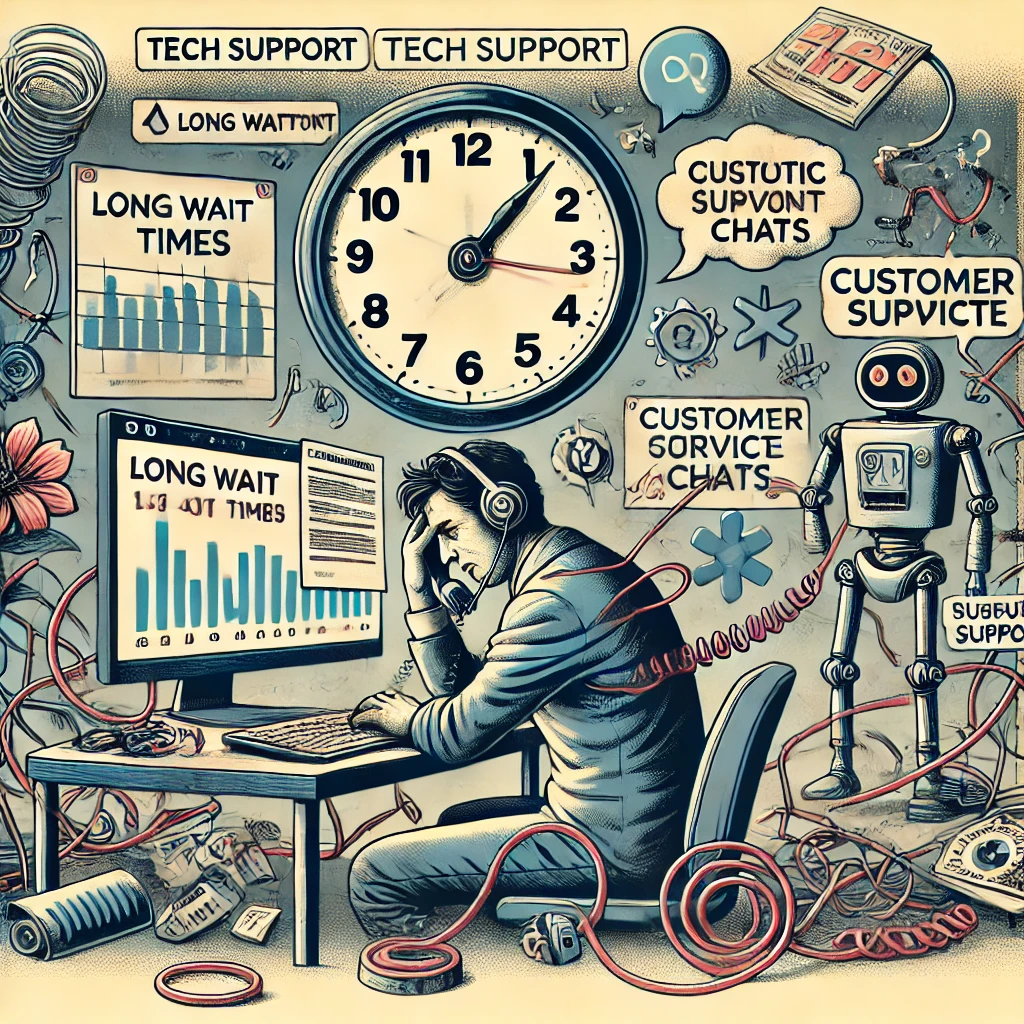
Why Is Tech Support So Frustrating in the US?
Tech support is supposed to make life easier by solving problems with your gadgets, software, and services. Yet for many Americans, the experience of dealing with tech support is anything but pleasant. From long hold times to unhelpful scripts, the frustration can leave customers feeling even more confused or upset than when they started. But why is tech support in the US often so frustrating? The answer lies in a combination of systemic issues, business practices, and the sheer complexity of technology. Let’s break it down.
1. Long Hold Times
One of the most common complaints about tech support is the amount of time spent waiting to speak with a representative.
a. Understaffing
- Many companies understaff their tech support teams to cut costs, leaving fewer agents available to handle calls.
- During peak times or product launches, the surge in customer inquiries overwhelms the system, leading to long queues.
b. Automation and Call Routing
- Automated phone menus and complex routing systems can add to the frustration. You might spend several minutes navigating through options, only to end up on hold or routed to the wrong department.
c. Outsourcing
- Some companies outsource tech support to countries with different time zones, which can result in delays or miscommunications, especially if the team is understaffed.
2. Scripted Responses
Another common complaint is that tech support agents often seem to rely on rigid scripts, which can feel impersonal and ineffective.
a. Why Scripts Are Used
- Scripts are designed to guide agents through troubleshooting steps, ensuring consistency and efficiency. However, this approach doesn’t always account for unique or complex issues.
- For less experienced agents, scripts act as a crutch, but they can lead to frustration when they fail to address the actual problem.
b. Lack of Flexibility
- Many agents are required to follow the script word-for-word, even when the customer has already explained the issue.
- This rigid process wastes time as customers are forced to repeat steps they may have already tried.
3. Inadequately Trained Agents
Poor training is another major issue in tech support.
a. Knowledge Gaps
- Some agents are trained to handle basic issues but lack the expertise to resolve more advanced problems. This often leads to situations where customers are transferred multiple times before finding someone who can help.
b. High Turnover Rates
- Tech support positions often have high employee turnover due to low pay, stressful environments, and lack of career growth. Frequent staff changes mean newer, less experienced agents are handling calls.
4. Outsourcing Challenges
While outsourcing tech support to countries like India or the Philippines is common, it can sometimes lead to communication barriers.
a. Language and Accent Differences
- Language differences or strong accents can make it difficult for customers and agents to understand each other, leading to miscommunication and frustration.
b. Cultural Differences
- Agents in other countries may not be familiar with local contexts or customer expectations in the US, which can lead to a perceived lack of empathy or effectiveness.
c. Limited Authority
- Outsourced agents often have limited access to tools or authority to resolve complex issues, requiring them to escalate problems to higher-level support teams.
5. Reliance on Self-Service Tools
Many companies now prioritize self-service tools, like FAQs, chatbots, or troubleshooting guides, to reduce reliance on human support. While these tools are convenient for simple issues, they often fall short for more complex problems.
a. Limited Functionality
- Chatbots and automated systems can only handle basic inquiries, leaving customers stuck when their issue falls outside the programmed responses.
b. Frustrating Loops
- Some self-service tools direct customers in circles, repeating the same advice without offering a resolution or a clear way to escalate the issue to a live agent.
6. Cost-Cutting Priorities
For many companies, tech support is seen as a cost center rather than a priority for customer satisfaction.
a. Low Budgets
- Companies often allocate minimal budgets for customer support, resulting in undertrained staff, outdated technology, and long response times.
b. Focus on Sales Over Support
- Some businesses prioritize acquiring new customers over retaining existing ones, leading to poor post-purchase support experiences.
c. Outdated Infrastructure
- Some companies use outdated systems that slow down the troubleshooting process, such as requiring customers to repeat account information multiple times.
7. Complex Technology
The sheer complexity of modern technology contributes to frustration for both customers and tech support agents.
a. Wide Variety of Devices
- Customers often have multiple devices (smartphones, laptops, smart home devices) from different brands that need to work together. This interconnectedness adds layers of complexity.
b. User Errors
- Many tech issues stem from user error or misunderstanding, which can make diagnosing problems difficult for tech support agents.
c. Rapid Innovation
- New updates, apps, and features are introduced regularly, making it hard for support teams to stay up-to-date on the latest technology.
8. Escalation Hassles
When a first-line support agent can’t resolve your issue, escalating the problem to a higher-level team can be another source of frustration.
a. Delayed Resolutions
- Escalation often involves waiting longer or being transferred to multiple departments.
b. Lack of Continuity
- Customers frequently have to re-explain their issue to each new agent, as information isn’t always passed along effectively between support tiers.
9. Lack of Empathy
Poor customer service often stems from a lack of empathy or understanding from the agent.
a. Rushed Interactions
- Agents under pressure to meet call quotas may rush through calls without fully addressing the customer’s concerns.
b. Impersonal Experiences
- Focusing too heavily on metrics (e.g., call resolution time) can result in interactions that feel robotic and dismissive.
10. Customer Expectations
In some cases, the frustration also comes from customer expectations that aren’t aligned with what tech support can deliver.
a. Unrealistic Expectations
- Customers may expect instant fixes for issues that require time or in-depth troubleshooting.
- Some problems, such as hardware failures, may require repairs or replacements that tech support can’t resolve over the phone.
b. Impatience with Technology
- Customers who are less tech-savvy may feel overwhelmed or frustrated when asked to follow troubleshooting steps, even if the instructions are clear.
Tips to Make Tech Support Less Frustrating
Although many issues stem from systemic problems, there are ways to improve your experience with tech support:
- Prepare Before You Call: Gather details like your account number, device information, and a description of the issue.
- Be Patient and Polite: Frustration is natural, but being calm and respectful often leads to better results.
- Ask for Escalation: If the agent can’t resolve your issue, politely request to speak with a supervisor or specialist.
- Take Notes: Document your conversations, including agent names, ticket numbers, and solutions discussed.
- Leverage Online Communities: For tech-savvy users, forums like Reddit or manufacturer-specific communities can provide quick and helpful advice.
Final Thoughts
The frustration with tech support in the US often stems from a combination of systemic cost-cutting measures, lack of training, reliance on automation, and the complexity of modern technology. While companies need to invest more in improving the customer experience, understanding how the system works and approaching it strategically can help you navigate tech support more effectively.
For more tips on managing technology and solving common tech issues, check out helpful guides to stay informed and empowered.
Добавить комментарий