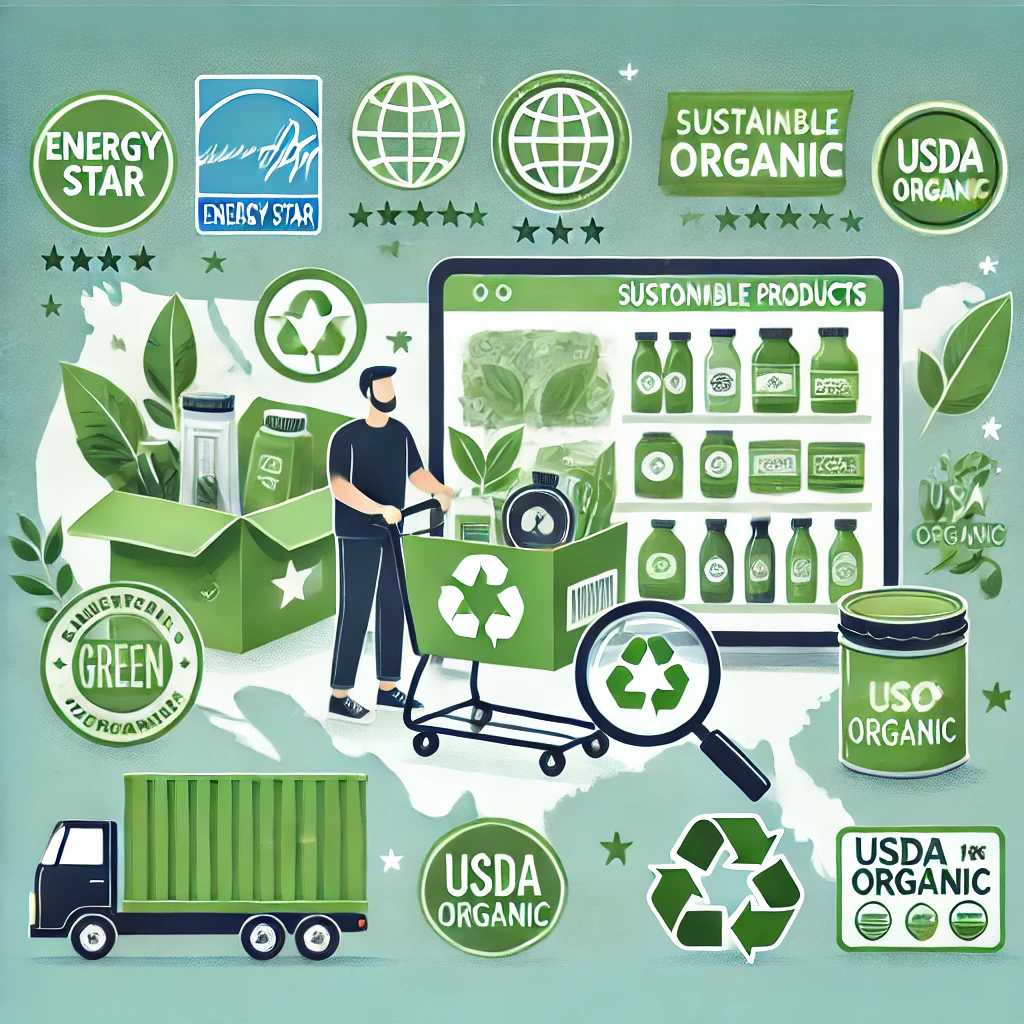
How to Find Eco-Friendly Products in the US
In a world increasingly focused on sustainability, many consumers are looking for eco-friendly products to reduce their environmental impact. These products are designed to minimize harm to the planet by using sustainable materials, reducing waste, and cutting greenhouse gas emissions. However, with so many options and misleading claims (greenwashing), it can be difficult to know where to start. Here’s a step-by-step guide on how to find eco-friendly products in the US.
1. Understand What Makes a Product Eco-Friendly
Before you start shopping, it’s important to know what qualifies as «eco-friendly.» Look for products that:
- Use Sustainable Materials: Made from renewable or biodegradable resources like bamboo, organic cotton, or recycled materials.
- Have Low Environmental Impact: Produced with minimal energy, water, or waste.
- Are Non-Toxic: Free of harmful chemicals or pollutants.
- Promote Reusability: Replace single-use items with reusable alternatives.
2. Look for Trusted Eco-Certifications
Eco-certifications can help you identify genuinely sustainable products. Some widely recognized certifications in the US include:
- USDA Organic: Ensures the product is made without synthetic pesticides, fertilizers, or GMOs.
- Energy Star: Indicates energy-efficient appliances and electronics.
- LEED Certification: For buildings or products related to energy-efficient construction.
- FSC (Forest Stewardship Council): Certifies wood, paper, and other forest products that come from responsibly managed forests.
- Fair Trade Certified: Verifies that products are ethically sourced, supporting fair wages and safe working conditions.
- Cradle to Cradle: Ensures the product is designed for a sustainable life cycle, from production to recycling.
- ECOLOGO: Indicates reduced environmental impact throughout the product’s life cycle.
3. Shop on Eco-Focused Marketplaces
Many online retailers specialize in eco-friendly products, making it easier to shop sustainably.
- EarthHero: Offers eco-friendly options for clothing, home goods, personal care, and more, with a focus on sustainability.
- Thrive Market: Focuses on organic and sustainable groceries, household products, and personal care items.
- Package Free Shop: Specializes in zero-waste and plastic-free alternatives for everyday needs.
- Made Trade: Curates ethically made, sustainable clothing, furniture, and decor.
- Grove Collaborative: Focuses on eco-friendly cleaning supplies, toiletries, and reusable household items.
4. Check Labels for Materials and Ingredients
Read product labels carefully to verify the use of sustainable materials and safe ingredients.
- Natural Ingredients: Look for plant-based materials (e.g., organic cotton, bamboo, hemp) and avoid synthetic chemicals.
- Recycled Materials: Choose products made from post-consumer recycled plastic, glass, or paper.
- Minimal Packaging: Opt for items with biodegradable, recyclable, or zero-waste packaging.
5. Use Apps and Tools for Eco-Friendly Shopping
Technology can help you identify sustainable products and brands quickly.
- Good On You: Rates fashion brands based on their environmental and ethical practices.
- Think Dirty: Scans personal care and cleaning products to assess their ingredients for health and environmental safety.
- DoneGood: Suggests ethical and sustainable alternatives to conventional products.
- Ecosia: A search engine that plants trees with ad revenue and often highlights eco-friendly shopping options.
6. Support Local and Sustainable Businesses
Shopping locally reduces the carbon footprint associated with shipping and supports your community.
- Farmers’ Markets: Buy fresh, organic produce directly from local farmers.
- Local Boutiques: Many small businesses offer handmade, eco-conscious products.
- Secondhand Stores: Thrift shops, consignment stores, and vintage shops help reduce waste by giving items a second life.
7. Look for Reusable and Zero-Waste Alternatives
Single-use plastics and disposable items are major contributors to waste. Replace them with reusable options, such as:
- Reusable Grocery Bags: Replace plastic bags with cloth or foldable totes.
- Water Bottles: Invest in a durable stainless steel or glass water bottle.
- Beeswax Wraps: Use beeswax wraps instead of plastic wrap for food storage.
- Silicone Storage Bags: Replace disposable ziplock bags with reusable silicone ones.
- Compostable Products: For items like trash bags, plates, or utensils, choose compostable options.
8. Buy in Bulk
Bulk buying reduces packaging waste and can often save you money.
- Bulk Food Stores: Bring your own containers to stores like Whole Foods or local co-ops that offer bulk bins for grains, nuts, spices, and more.
- Cleaning Supplies: Look for concentrated cleaners or refillable products to minimize packaging.
9. Beware of Greenwashing
Greenwashing is when companies make false or exaggerated claims about their environmental practices. Avoid being misled by:
- Buzzwords: Words like “natural” or “eco-friendly” on labels don’t always mean the product is sustainable—check for certifications instead.
- Packaging Gimmicks: Green-colored packaging or nature imagery doesn’t guarantee sustainability.
- Research the Brand: Look into a company’s environmental practices and transparency before buying.
10. Research Eco-Friendly Brands
Some companies go above and beyond to create truly sustainable products. Popular eco-conscious brands in the US include:
- Patagonia: Known for its commitment to sustainable and ethical outdoor clothing.
- Seventh Generation: Offers plant-based cleaning and personal care products.
- Allbirds: Produces eco-friendly footwear using materials like wool and sugarcane.
- Blueland: Focuses on refillable cleaning supplies with no single-use plastics.
- Who Gives a Crap: Provides eco-friendly, recycled toilet paper while donating proceeds to sanitation charities.
11. Prioritize Longevity and Durability
Sustainable products are designed to last, reducing the need for frequent replacements.
- Invest in Quality: Pay more upfront for durable items that will last longer.
- Repairs Over Replacements: Fix broken items whenever possible instead of discarding them.
- Multi-Use Products: Choose versatile items that can serve multiple purposes.
12. Ask Questions and Stay Informed
When in doubt, reach out to companies or ask for more details about their practices.
- Ask About Supply Chains: Find out where and how products are made.
- Inquire About Packaging: Ask if the packaging is recyclable, compostable, or made from recycled materials.
- Read Reviews: Look at online reviews to see if other buyers found the product truly eco-friendly and effective.
Final Thoughts
Finding eco-friendly products in the US doesn’t have to be complicated. By understanding what makes a product sustainable, using trusted certifications, and supporting ethical brands and marketplaces, you can make environmentally conscious choices. Every small change in your shopping habits contributes to a healthier planet for future generations.
For more insights on eco-friendly living and sustainable shopping, check out helpful guides to take your green lifestyle to the next level.
Добавить комментарий