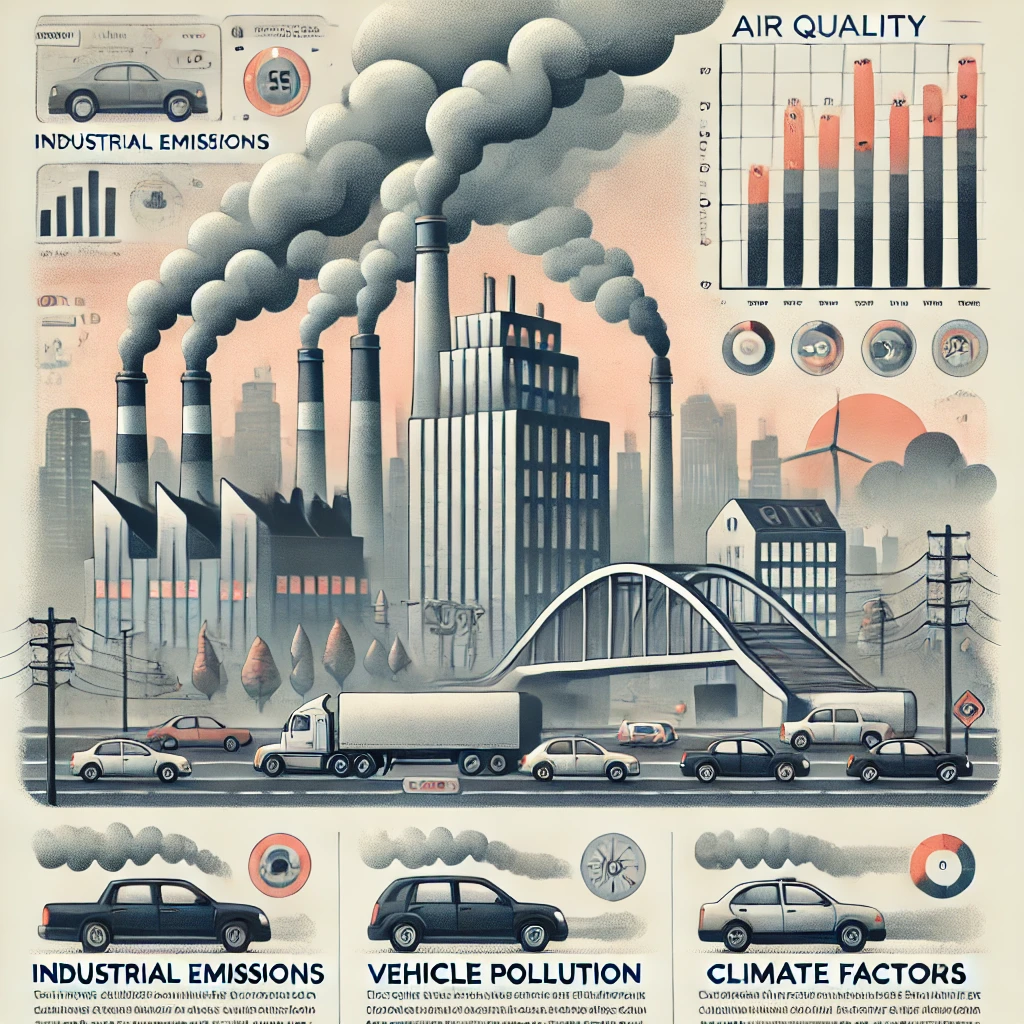
Why Is Air Quality So Poor in Some US Cities?
Poor air quality is a growing concern in many US cities, affecting the health of millions of Americans. From smog-filled urban centers to wildfire-prone areas, air pollution has serious environmental and public health consequences. But why is air quality so poor in certain US cities? The causes are a combination of industrial activity, traffic congestion, geographic factors, and climate-related challenges. Here’s a closer look at the reasons behind poor air quality in some areas of the US.
1. Vehicle Emissions
Cars and trucks are one of the leading sources of air pollution in the US, particularly in urban areas.
- Fossil Fuels: Gasoline and diesel vehicles release harmful pollutants, including nitrogen oxides (NOx), carbon monoxide (CO), and particulate matter (PM).
- Traffic Congestion: High traffic volumes, especially during rush hours, exacerbate pollution levels in cities like Los Angeles, Houston, and Atlanta.
- Lack of Public Transit: Car-dependent cities with limited public transit options experience more vehicle emissions per capita.
Why It Matters: Vehicle emissions contribute to smog and ground-level ozone, making air quality worse, especially on hot, sunny days.
2. Industrial Pollution
Industrial facilities are major contributors to poor air quality in cities near manufacturing hubs, oil refineries, and power plants.
- Power Plants: Coal-fired power plants release large amounts of sulfur dioxide (SO₂) and particulate matter.
- Oil Refineries: Cities near refineries, such as Houston, Texas, experience higher levels of harmful chemicals like benzene and volatile organic compounds (VOCs).
- Factories and Manufacturing Plants: Industrial processes release pollutants like carbon monoxide and toxic metals, including lead and mercury.
Why It Matters: Industrial pollution disproportionately impacts cities with heavy manufacturing and fossil fuel industries, causing localized air quality issues.
3. Wildfires and Smoke
Wildfires have become a significant contributor to poor air quality in the US, particularly in western states like California, Oregon, and Washington.
- Smoke and Particulate Matter: Wildfires release fine particulate matter (PM2.5), which can travel hundreds of miles and penetrate deep into the lungs.
- Increased Frequency: Climate change has made wildfires more frequent and severe, resulting in longer-lasting air quality impacts.
- Impact on Nearby Cities: Smoke from wildfires often blankets cities and rural areas, causing hazardous air conditions for weeks or even months.
Why It Matters: Wildfire smoke is highly toxic and can trigger respiratory issues, heart problems, and other health complications.
4. Geographic and Weather Factors
Certain geographic and weather conditions can trap pollutants and worsen air quality in specific cities.
- Mountain Valleys: Cities like Denver and Salt Lake City are located in valleys surrounded by mountains, which can trap pollution and create «inversions» where cold air is trapped under warm air, preventing pollutants from dispersing.
- Coastal Areas: Cities like Los Angeles experience smog due to a combination of emissions, warm temperatures, and a lack of strong winds to disperse pollutants.
- Humidity and Heat: Hot and humid conditions increase the formation of ground-level ozone, which is harmful to breathe.
Why It Matters: Geographic factors amplify air pollution, making it harder for cities to improve air quality.
5. Construction and Dust Pollution
Urban construction projects contribute to particulate pollution, particularly in rapidly growing cities.
- Construction Dust: Activities like demolition, excavation, and road building release fine dust particles into the air.
- Diesel Equipment: Construction machinery powered by diesel engines emits nitrogen oxides and particulate matter.
- Urban Development: Rapid urbanization can increase pollution levels if not carefully managed.
Why It Matters: Construction-related pollution is often overlooked but can significantly impact air quality in growing cities.
6. Fossil Fuel Dependency
The US remains heavily reliant on fossil fuels for energy production, transportation, and industry, contributing to air pollution.
- Coal and Natural Gas: Burning fossil fuels releases sulfur dioxide, nitrogen oxides, and carbon dioxide into the air.
- Energy-Intensive Industries: Cities near oil and gas production sites, such as Houston and Bakersfield, are particularly affected by air pollution.
- Slow Transition to Renewables: While renewable energy sources like wind and solar are growing, the US still relies on fossil fuels for the majority of its energy needs.
Why It Matters: Fossil fuel emissions are a major source of air pollution and greenhouse gases, worsening both local air quality and global climate change.
7. Agricultural Emissions
Rural areas and cities near agricultural regions often experience poor air quality due to emissions from farming practices.
- Ammonia from Fertilizers: Ammonia released during fertilizer application contributes to the formation of particulate matter.
- Livestock Emissions: Animal farming releases methane and ammonia, which can degrade air quality.
- Dust from Plowing: Agricultural activities can generate large amounts of dust, especially in dry regions.
Why It Matters: Cities downwind from agricultural regions may experience reduced air quality due to these emissions.
8. Lack of Stringent Regulations
Air quality in some US cities suffers from insufficient enforcement of environmental regulations.
- Rollbacks on Regulations: Federal rollbacks of environmental protections, such as the Clean Power Plan, have allowed higher emissions from power plants and industrial facilities.
- State-Level Variation: Some states have stricter air quality standards than others, leading to disparities in pollution levels across the country.
- Loopholes for Polluters: Industries often exploit regulatory loopholes to avoid penalties for excessive emissions.
Why It Matters: Stronger regulations and enforcement are essential to improving air quality nationwide.
9. Urbanization and Population Growth
Rapid population growth in cities leads to increased pollution from transportation, energy use, and waste.
- More Cars on the Road: Growing urban populations mean more cars, which contribute to smog and particulate matter.
- Increased Energy Demand: Rising energy consumption leads to higher emissions from power plants and other sources.
- Waste Management Challenges: Poorly managed waste, including incineration, can release harmful pollutants into the air.
Why It Matters: Without sustainable urban planning, growing cities will continue to face worsening air quality.
10. Climate Change Amplifying Effects
Climate change is making air quality problems worse by intensifying weather patterns that trap or create pollutants.
- Warmer Temperatures: Heat increases the formation of ground-level ozone, a major component of smog.
- Wildfires: Hotter and drier conditions caused by climate change lead to more frequent and intense wildfires.
- Storms and Flooding: Extreme weather events can release pollutants into the air, such as mold and particulate matter from damaged buildings.
Why It Matters: Climate change adds another layer of complexity to tackling air quality issues, requiring coordinated action on multiple fronts.
Final Thoughts
Poor air quality in some US cities is the result of a combination of human activity, natural factors, and climate-related challenges. From vehicle emissions and industrial pollution to wildfires and urban sprawl, the sources of air pollution are varied and deeply embedded in how cities and industries operate. Addressing air quality issues will require comprehensive efforts, including stricter regulations, investment in renewable energy, better urban planning, and public awareness campaigns to reduce individual contributions to pollution.
By taking action now, cities can create healthier environments and improve the quality of life for their residents.
For more tips on improving your photography and editing skills, check out helpful guides to take your selfies to the next level.
Добавить комментарий