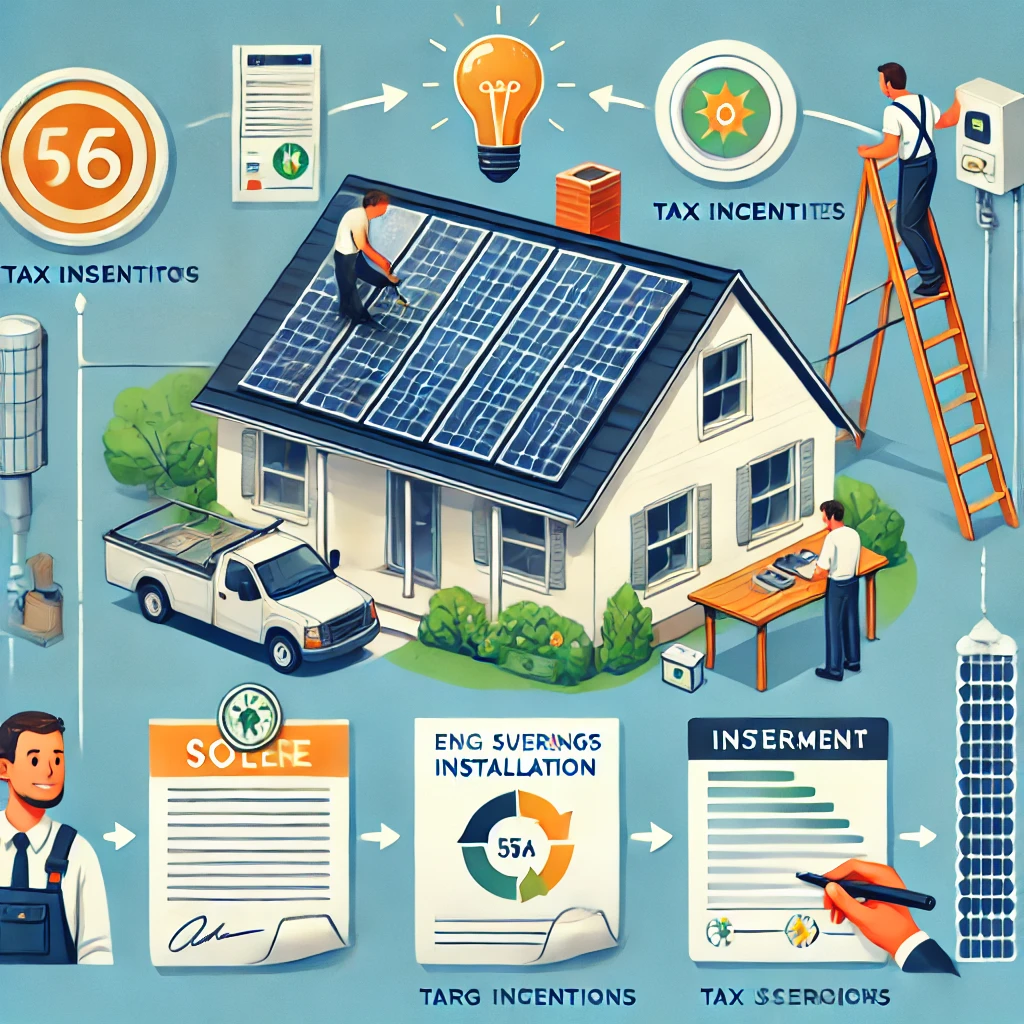
How to Get Solar Panels Installed in the US
Installing solar panels in the US is a great way to reduce your energy bills, lower your carbon footprint, and take advantage of renewable energy incentives. However, the process of going solar can seem overwhelming if you’re not sure where to start. From evaluating your home’s suitability to finding the right installer, this guide breaks down the steps to help you successfully get solar panels installed.
1. Evaluate Your Home’s Suitability for Solar
Before diving into solar panel installation, assess whether your home is a good candidate for solar energy.
a. Roof Condition
- Age and Durability: If your roof is older or damaged, it may need repairs or replacement before installing solar panels.
- Roof Material: Most roofing types (e.g., asphalt shingles, metal, tiles) are compatible with solar panels, but check with your installer to confirm.
b. Sunlight Exposure
- Roof Orientation: South-facing roofs typically receive the most sunlight in the US, but east- and west-facing roofs can also work well.
- Shading: Check for trees, buildings, or other obstacles that might block sunlight during peak hours.
- Geography: Homes in sunny states like California, Arizona, and Florida tend to be ideal for solar, but solar panels can still work effectively in less sunny regions.
c. Energy Consumption
- Review your electricity bills to understand your energy usage. This helps determine the size of the solar system you’ll need.
2. Research Incentives and Rebates
Solar incentives and rebates can significantly reduce the upfront cost of installation.
a. Federal Solar Tax Credit (ITC)
- Homeowners can claim 30% of the total cost of solar installation as a federal tax credit (valid through 2032). For example, if your system costs $20,000, you could receive a $6,000 tax credit.
b. State and Local Incentives
- Many states offer additional rebates, tax credits, or performance-based incentives. For example:
- California: Self-Generation Incentive Program (SGIP).
- New York: NY-Sun Incentive Program.
- Texas: Local rebates from utility companies.
- Check your state’s incentives at the Database of State Incentives for Renewables & Efficiency (DSIRE).
c. Net Metering
- Many states have net metering policies that allow you to sell excess solar energy back to the grid, further reducing your energy costs.
3. Get Quotes from Reputable Solar Installers
Choosing the right solar installer is critical for a successful project. Follow these steps to find a reliable provider:
a. Where to Look
- National Companies: Companies like SunPower, Tesla Solar, and Sunrun operate nationwide.
- Local Installers: Local companies often offer personalized service and may have more knowledge about state-specific incentives.
- Online Platforms: Use websites like EnergySage or SolarReviews to compare quotes and read reviews.
b. Questions to Ask Installers
- Are you licensed and certified (e.g., NABCEP-certified)?
- What warranties do you offer for equipment and installation?
- How will you size the solar system for my energy needs?
- What financing options do you provide?
c. Compare Quotes
- Get at least three quotes to compare prices, warranties, and system designs.
- Review the total cost, payback period, and estimated energy savings for each proposal.
4. Choose a Solar Financing Option
Solar panel installation can be expensive, but there are several financing options to make it more affordable:
a. Purchase with Cash
- Pros: You own the system outright, maximize savings, and qualify for all available incentives.
- Cons: High upfront cost (average system cost is $15,000–$25,000 after incentives).
b. Solar Loans
- Pros: Spread the cost over time while still owning the system.
- Cons: Monthly loan payments may offset some energy savings.
- Tip: Look for low-interest loans from banks, credit unions, or solar financing companies.
c. Solar Leases or Power Purchase Agreements (PPAs)
- Lease: Pay a fixed monthly fee to rent the system.
- PPA: Pay for the energy generated by the system at a reduced rate.
- Pros: No upfront costs.
- Cons: You don’t own the system and may miss out on incentives.
5. Obtain Permits and Approvals
Your solar installer will typically handle permits and approvals, but it’s good to understand the process:
- Local Building Permits: Most cities and counties require permits for solar installation.
- Utility Approval: Your utility company may need to approve your system design and connection to the grid.
- HOA Approval: If you live in a community with a homeowners’ association (HOA), check their rules for solar panels.
6. Schedule the Installation
Once your permits and financing are in place, your installer will schedule the installation. The process generally involves:
- Site Assessment: A technician visits your property to finalize the system design and confirm roof measurements.
- Installation Day: The installation process typically takes 1–3 days, depending on the system size.
- Inspection: After installation, a local inspector may visit to ensure the system meets safety and building code requirements.
7. Activate Your Solar System
After passing the inspection, your utility company will give permission to operate (PTO), allowing you to turn on your solar system and start generating electricity.
- Monitor Performance: Many systems come with apps or online platforms to track energy production and savings.
- Maintenance: Solar panels require minimal maintenance, but cleaning them once or twice a year can improve efficiency.
8. Maximize Your Savings
To get the most out of your solar system:
- Use Energy During Peak Sunlight: Run appliances like washing machines or dishwashers during the day when your system is producing the most energy.
- Store Energy with Batteries: Consider adding a solar battery (e.g., Tesla Powerwall) to store excess energy for use at night or during power outages.
- Monitor Your Usage: Regularly check your energy consumption to optimize savings.
Final Thoughts
Getting solar panels installed in the US is a straightforward process when broken into manageable steps. By evaluating your home’s solar potential, researching incentives, finding a reputable installer, and choosing the right financing option, you can enjoy the financial and environmental benefits of clean energy. The investment not only pays off over time but also contributes to a greener future.
For more tips on going solar and maximizing your energy savings, check out helpful guides to make informed decisions about renewable energy.
Добавить комментарий