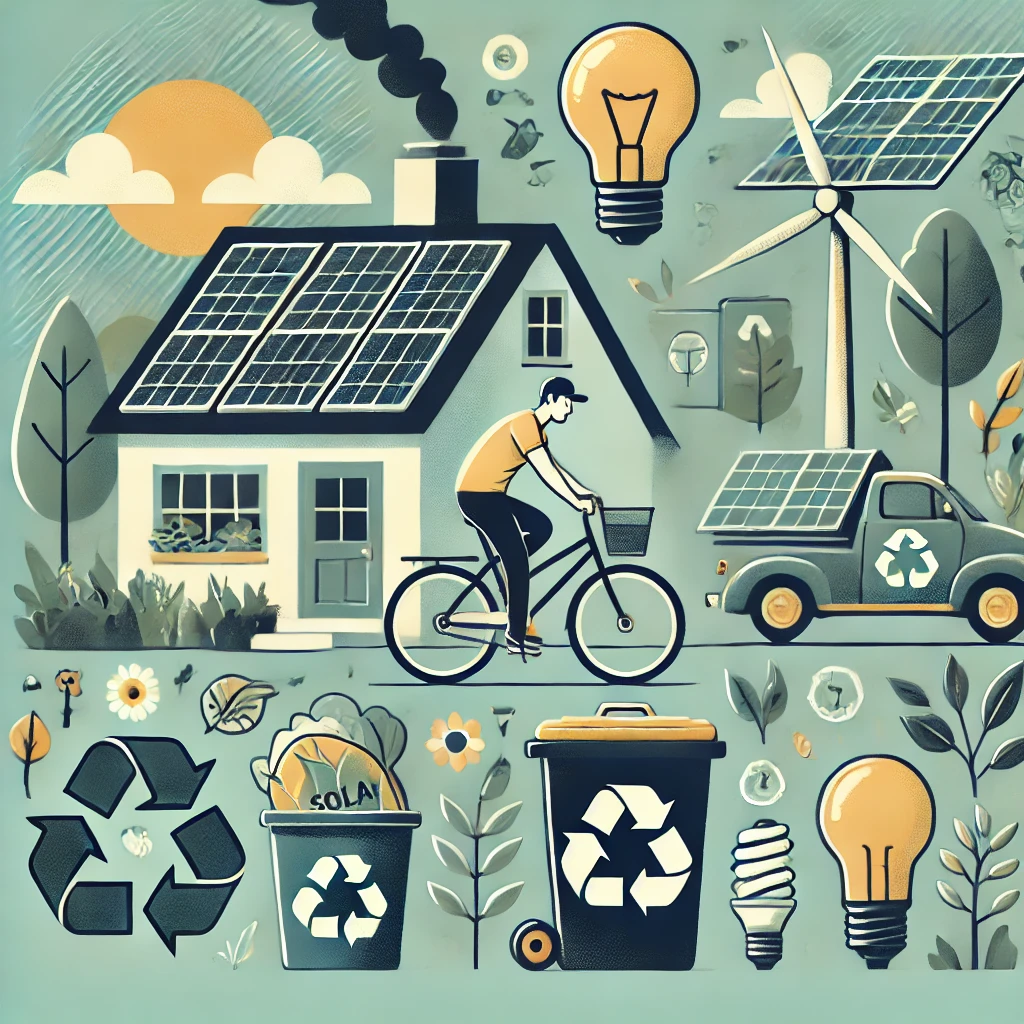
How to Reduce Your Carbon Footprint in America
With growing concerns about climate change, reducing your carbon footprint has become a crucial way to help protect the environment. Your carbon footprint is the total amount of greenhouse gases, primarily carbon dioxide, emitted by your daily activities, such as energy consumption, transportation, and food choices. In the United States, where consumption rates are high, even small lifestyle changes can make a big difference. Here’s a practical guide on how to reduce your carbon footprint while living in America.
1. Reduce Energy Consumption at Home
One of the easiest ways to cut your carbon footprint is by using less energy at home.
a. Switch to Renewable Energy
- Solar Panels: Install solar panels on your home to generate renewable electricity. Many states offer tax credits or incentives to offset installation costs.
- Green Energy Plans: Sign up for renewable energy programs offered by your local utility company.
b. Upgrade to Energy-Efficient Appliances
- Look for the ENERGY STAR label when purchasing appliances like refrigerators, dishwashers, or air conditioners.
- Energy-efficient appliances use significantly less electricity, lowering both your carbon emissions and utility bills.
c. Optimize Heating and Cooling
- Use a programmable thermostat to reduce energy waste when you’re not home.
- Seal windows and doors to prevent air leaks and reduce the strain on your heating and cooling systems.
d. Unplug Devices
- Electronics left plugged in, even when not in use, consume «phantom energy.» Unplug devices or use power strips with on/off switches to cut unnecessary energy use.
2. Adopt Sustainable Transportation Habits
Transportation is one of the largest sources of carbon emissions in the US, but you can take steps to minimize your impact.
a. Drive Less
- Carpool: Share rides with coworkers or friends to reduce the number of vehicles on the road.
- Public Transit: Use buses, trains, or subways, which are far more energy-efficient than driving alone.
- Biking and Walking: Opt for a bike or walk for short distances, which has zero carbon emissions and benefits your health.
b. Switch to Fuel-Efficient or Electric Vehicles (EVs)
- Upgrade to a hybrid or fully electric car to significantly reduce emissions.
- Federal and state incentives, like tax credits, can help offset the cost of purchasing an EV.
c. Limit Air Travel
- Choose train or bus travel for domestic trips whenever possible.
- If flying is unavoidable, consider purchasing carbon offsets to counterbalance your flight’s emissions.
3. Choose a Plant-Based Diet
What you eat has a major impact on your carbon footprint, as agriculture—especially meat and dairy production—is a significant contributor to greenhouse gas emissions.
a. Eat Less Meat and Dairy
- Reduce your consumption of red meat, particularly beef and lamb, which have the highest environmental impact.
- Swap animal-based proteins for plant-based options like beans, lentils, tofu, or tempeh.
b. Support Sustainable Agriculture
- Buy locally sourced, seasonal produce to cut down on transportation emissions.
- Support organic or regenerative farms that prioritize soil health and carbon sequestration.
c. Reduce Food Waste
- Plan meals ahead of time to avoid buying more than you need.
- Compost food scraps instead of sending them to landfills, where they release methane gas.
4. Minimize Waste
Reducing the amount of waste you generate can significantly lower your environmental impact.
a. Practice the 3 Rs: Reduce, Reuse, Recycle
- Reduce: Buy only what you need and avoid single-use items like plastic straws, bags, and utensils.
- Reuse: Opt for reusable bags, water bottles, and coffee cups.
- Recycle: Follow your local recycling guidelines to ensure materials like paper, plastic, and glass are properly recycled.
b. Avoid Fast Fashion
- Choose high-quality, durable clothing that lasts longer.
- Buy secondhand or from brands that prioritize sustainable production practices.
c. Switch to Composting
- Composting diverts food and yard waste from landfills, reducing methane emissions and enriching soil.
5. Use Water Wisely
Reducing water usage not only saves resources but also reduces the energy required for water treatment and heating.
a. Install Water-Efficient Fixtures
- Use low-flow showerheads, faucets, and toilets to reduce water consumption.
- Fix leaks promptly to prevent wasted water.
b. Reduce Hot Water Use
- Wash clothes in cold water whenever possible.
- Take shorter showers to cut down on water heating energy.
c. Conserve Outdoors
- Water your lawn or garden during early mornings or late evenings to minimize evaporation.
- Use drought-resistant plants to reduce water usage in landscaping.
6. Support Renewable Energy and Sustainability Initiatives
Advocating for larger-scale changes can amplify your efforts to reduce your carbon footprint.
a. Advocate for Policy Changes
- Support local and national policies that promote renewable energy, energy efficiency, and emissions reductions.
- Vote for leaders who prioritize climate action.
b. Support Green Businesses
- Shop with companies that use sustainable materials and renewable energy in their operations.
- Avoid businesses with poor environmental practices.
c. Purchase Carbon Offsets
- Offset your emissions by funding projects like reforestation or renewable energy development. Many programs allow you to calculate your carbon footprint and contribute accordingly.
7. Choose Sustainable Products
Everyday purchases can have an environmental impact, so make eco-friendly choices wherever possible.
a. Eco-Friendly Cleaning Products
- Use non-toxic, biodegradable cleaning products to reduce harmful chemical emissions.
b. Energy-Efficient Electronics
- When replacing electronics, look for energy-efficient models that minimize electricity use.
c. Durable Goods
- Invest in long-lasting, repairable products rather than disposable alternatives.
8. Educate and Inspire Others
Encouraging others to reduce their carbon footprint can create a ripple effect.
- Share Knowledge: Talk about your sustainable practices with friends and family.
- Lead by Example: Your actions can inspire those around you to adopt eco-friendly habits.
- Community Engagement: Join local environmental groups or initiatives to amplify your impact.
Final Thoughts
Reducing your carbon footprint in the US is achievable through mindful changes in your energy use, transportation, diet, and daily habits. While individual actions matter, combining them with advocacy for systemic changes can have a lasting impact on combating climate change. By making conscious choices and inspiring others, you can contribute to a more sustainable future.
For more practical tips on sustainable living and reducing your carbon footprint, check out helpful guides to take actionable steps toward a greener lifestyle.
Добавить комментарий