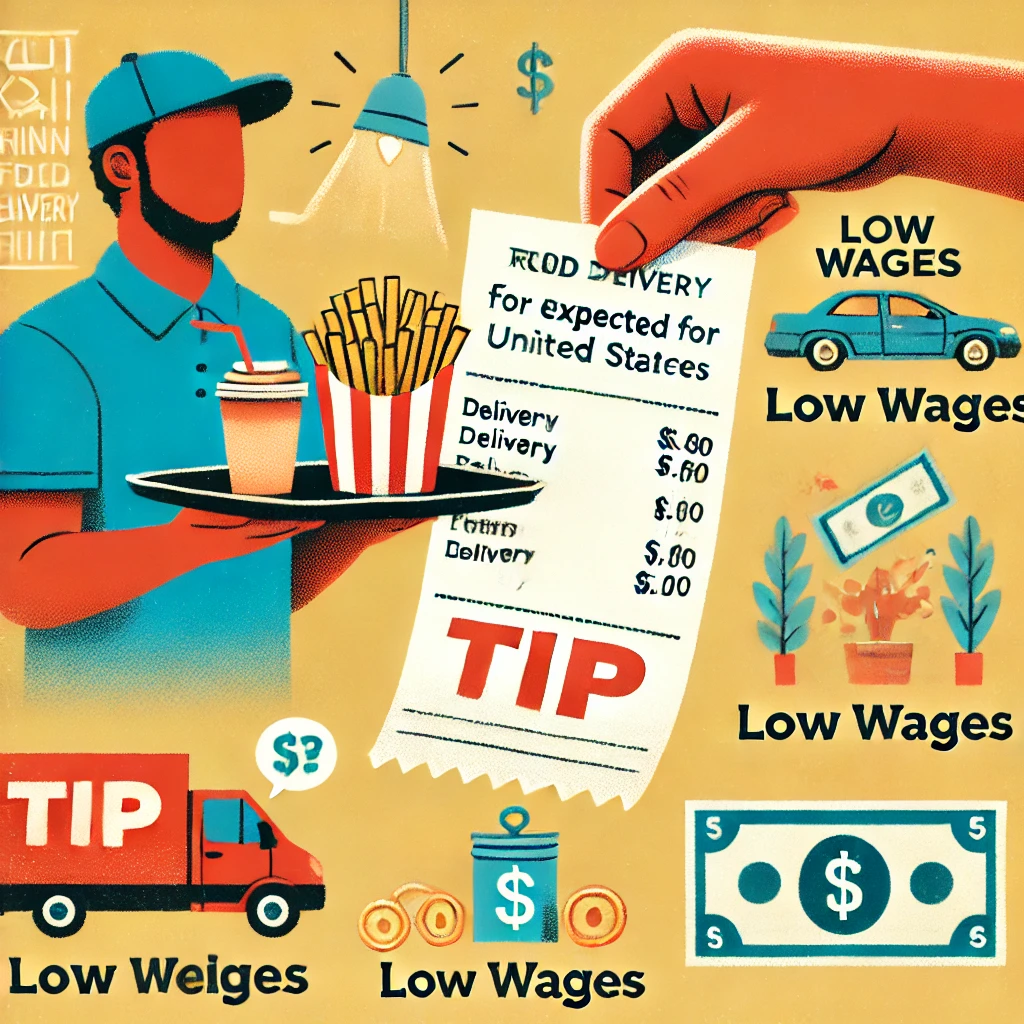
Why Is Tipping Expected for Food Delivery in the US?
In the United States, tipping is an ingrained part of many service industries, including food delivery. If you’ve ever wondered why tipping is expected for delivery drivers, the answer lies in a combination of historical practices, wage structures, and cultural norms. Below, we’ll explore the reasons behind this expectation and how it shapes the food delivery industry in the US.
1. Delivery Drivers Earn Low Base Pay
One of the main reasons tipping is expected is that delivery drivers often earn low base pay.
- Wages Depend on Tips: Many food delivery drivers are classified as independent contractors or tipped workers, meaning their hourly base pay is typically below the minimum wage or at the bare minimum.
- Variable Earnings: Apps like DoorDash, Uber Eats, and Grubhub provide drivers with a small base pay per delivery (as low as $2–$4), meaning tips often make up the majority of their income.
Without tips, many delivery workers would struggle to earn a living wage.
2. Tipping Culture in the US
Tipping is deeply ingrained in American service culture, and food delivery is no exception.
- Cultural Norm: In the US, tipping is viewed as a way to reward service workers for their efforts, even if they’re technically paid by their employer.
- Expectation Across Services: Just like tipping waitstaff in restaurants, tipping delivery drivers has become a societal norm tied to appreciation for convenience and service.
- Historical Roots: Tipping in the US originated in the late 19th century as a way for businesses to pass wage costs onto customers, particularly in industries like hospitality and dining.
3. Food Delivery Is Considered a Personalized Service
Food delivery is a service that brings convenience directly to your doorstep, making it different from simply picking up an order yourself.
- Effort and Expenses: Delivery drivers use their own vehicles, pay for gas, and sometimes risk inclement weather or challenging conditions to ensure your food arrives on time.
- Personal Touch: Unlike automated services, drivers often handle each order with care, such as ensuring food stays warm or addressing special requests.
Tipping is seen as a way to acknowledge and reward this extra effort.
4. Drivers Cover Their Own Expenses
Unlike traditional employees, delivery drivers typically work as independent contractors, meaning they are responsible for covering their own work-related expenses.
- Gas and Vehicle Maintenance: Drivers must pay for gas, car repairs, insurance, and other vehicle-related costs out of pocket.
- Taxes: Independent contractors are also responsible for self-employment taxes, which can reduce their take-home pay.
- Tips Make Up for Costs: Without tips, many delivery drivers would find it financially unsustainable to continue working, as their expenses would outweigh their earnings.
5. Third-Party Delivery Apps Pay Minimal Fees
The rise of food delivery apps like DoorDash, Uber Eats, Postmates, and Grubhub has reshaped the delivery industry, but not always in favor of the drivers.
- Low Base Pay: Many apps advertise high earnings but pay drivers a small fee per delivery (sometimes as low as $2).
- Tips Fill the Gap: Drivers rely heavily on tips to earn a reasonable wage since the base pay often isn’t sufficient, especially for longer distances.
- No Control Over Pay: Drivers cannot negotiate the rates set by these platforms, so tipping has become a way for customers to directly support them.
6. Delivery Work Is Physically and Logistically Demanding
Food delivery involves a lot of physical and logistical challenges:
- Time Pressure: Drivers must deliver orders quickly to ensure food is fresh, often navigating traffic and tight deadlines.
- Long Hours: Many delivery workers put in long hours, often late at night or during peak times, to make a decent income.
- Weather Conditions: Delivery drivers often work in rain, snow, or extreme heat, making the job even more difficult.
Tipping is a way to show appreciation for the extra effort it takes to bring food to your door.
7. Incentivizing Good Service
Tips play a role in encouraging drivers to provide high-quality service.
- Faster Delivery: In many cases, tipping ahead of time (when placing your order) can signal to the driver that you value their service, which might result in faster or more careful delivery.
- Extra Care: Drivers may go the extra mile, such as ensuring your order is delivered to a specific location or double-checking items, if they feel appreciated.
- Priority in Assignment: On some platforms, drivers can see your tip amount before accepting the order, meaning larger tips may incentivize drivers to prioritize your delivery.
8. Comparison to Other Countries
In many countries outside the US, tipping for food delivery is less common due to different wage structures:
- Higher Base Pay: In countries like Australia or many parts of Europe, delivery workers are paid higher wages, making tips less necessary.
- Service Charges: Some countries include service charges in the total bill, eliminating the need for additional tipping.
- Cultural Differences: Tipping culture varies worldwide, but in the US, tipping remains an expectation for personalized services like food delivery.
9. What Happens When You Don’t Tip?
While tipping is technically optional, not tipping can have consequences for both drivers and customers:
- Reduced Driver Earnings: Without tips, delivery workers may struggle to cover their expenses, making the job less sustainable.
- Slower Service: On many delivery apps, drivers can see orders with no tips or low tips and may choose to skip those orders, resulting in longer delivery times.
- Customer Reputation: Regularly failing to tip could affect how drivers view your future orders, potentially leading to less-than-ideal service.
10. How Much Should You Tip for Food Delivery?
While tipping amounts vary depending on the service and situation, here are some general guidelines:
- Standard Tip: 15–20% of the total order value is standard for food delivery, similar to tipping in a restaurant.
- Flat Amount: For small orders, a flat tip of $3–$5 is considered appropriate.
- Extra for Exceptional Service: Tip more generously for long distances, large orders, or deliveries in bad weather.
11. Why Tipping Supports the Gig Economy
Food delivery is a core part of the growing gig economy, where workers operate as independent contractors rather than traditional employees.
- Direct Support: Tipping allows customers to directly support workers in a system that often underpays them.
- Flexibility for Workers: While the gig economy provides flexibility, the lack of benefits and low pay means tips are crucial for workers’ financial stability.
Final Thoughts
Tipping for food delivery in the US is expected because it helps bridge the gap between low base pay and a living wage for delivery workers. With most drivers relying on tips to cover their expenses and earn a sustainable income, tipping is more than just a gesture of appreciation—it’s an integral part of how the system functions. By tipping fairly, you’re not only supporting the hard work of delivery drivers but also contributing to the broader gig economy in a meaningful way.
For more insights into tipping culture and practical money-saving tips, check out helpful guides to make informed decisions as a consumer.
Добавить комментарий