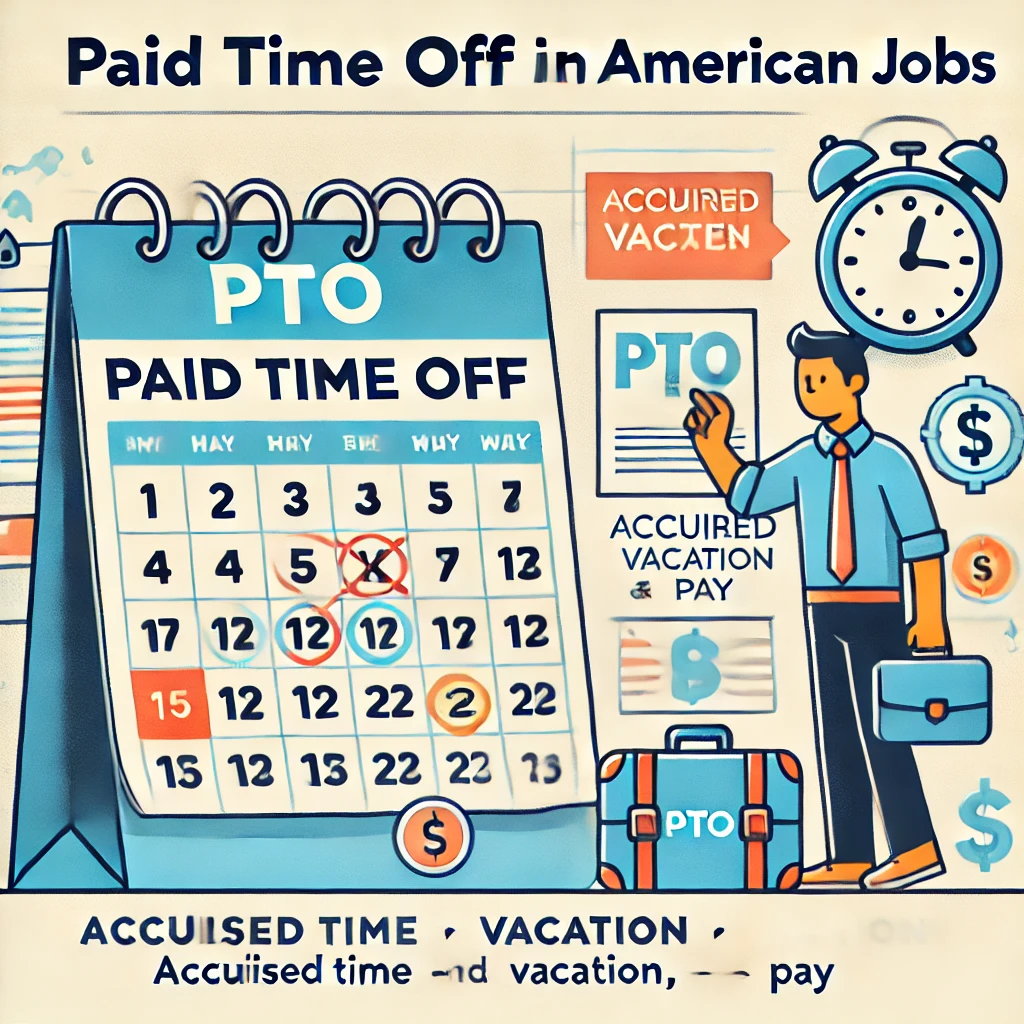
How Does PTO Work in American Jobs?
Paid Time Off (PTO) is a benefit offered by many employers in the United States, allowing employees to take time off work while still receiving their regular pay. Unlike some countries with mandated leave policies, PTO in America varies significantly depending on the employer, industry, and individual job position. Understanding how PTO works can help you make the most of your time off while navigating workplace policies.
1. What Is PTO?
PTO, or Paid Time Off, is a broad term that refers to any time an employee takes off from work and still gets paid. This includes:
- Vacation Days
- Sick Days
- Personal Days
- Holidays (if not already counted separately)
Some employers combine all these categories into a single bank of PTO, while others separate them into distinct types of leave.
2. How PTO Policies Vary
Unlike many other countries, the US does not have federal laws requiring employers to provide paid vacation or sick leave. Instead, PTO policies are determined by individual employers, which leads to significant variations.
- Typical PTO Range: Most full-time employees receive between 10 to 20 days of PTO per year, including vacation and sick leave.
- No Universal Minimum: In some cases, employers offer no PTO at all, especially for part-time or entry-level workers.
3. Types of PTO
Employers may structure their PTO policies in different ways. Here are the most common formats:
a. Traditional PTO
In a traditional setup, employers allocate specific amounts of time for:
- Vacation: Dedicated days for leisure or travel.
- Sick Leave: Reserved for health-related absences, like illness or medical appointments.
- Personal Days: Used for errands, personal matters, or emergencies.
b. PTO Bank
Many companies opt for a PTO bank, where all time off is lumped together into a single pool.
- Flexibility: Employees can use their days off however they choose, whether for vacations, sick days, or personal reasons.
- Downside: Employees may hesitate to use PTO for sick days, fearing they’ll have fewer vacation days.
c. Unlimited PTO
Some companies (often startups or tech firms) offer unlimited PTO, where employees can take as much time off as they need, with manager approval.
- Pros: Encourages flexibility and trust.
- Cons: Some employees may feel pressured not to take time off, leading to underutilization.
4. How PTO Is Earned
PTO is typically earned over time, but the way it’s accrued depends on the employer’s policy.
a. Accrual-Based PTO
- Employees earn PTO gradually, often based on the number of hours worked.
- Example: You may earn 1 hour of PTO for every 20 hours worked, adding up to 2 weeks per year.
b. Lump-Sum PTO
- Some employers grant all PTO at once, typically at the beginning of the year.
- Example: You might receive 15 days of PTO on January 1 to use throughout the year.
5. Rollover and Use-It-or-Lose-It Policies
What happens to unused PTO at the end of the year varies by employer:
a. Rollover Policies
- Some companies allow employees to carry over unused PTO into the next year.
- There may be limits on how much time can be rolled over (e.g., up to 40 hours).
b. Use-It-or-Lose-It Policies
- Employers may implement a policy where unused PTO is forfeited at the end of the year.
- Tip: Be sure to plan your time off early to avoid losing accrued PTO.
6. PTO Payout Upon Termination
Whether unused PTO is paid out when you leave a job depends on company policy and state laws.
- State Laws: Some states, like California, require employers to pay out unused PTO.
- Company Policy: In states without specific laws, companies may set their own rules.
7. Federal Holidays vs. PTO
Federal holidays, such as Thanksgiving, Christmas, and Independence Day, are often separate from PTO.
- Paid Holidays: Many employers provide paid time off for federal holidays, in addition to regular PTO.
- Working on Holidays: For essential workers (e.g., healthcare, retail), working on holidays may come with additional pay, like time-and-a-half.
8. Part-Time and Hourly Workers
PTO policies for part-time and hourly workers vary widely:
- Limited PTO: Many part-time employees are not eligible for PTO, although some companies do offer prorated benefits.
- Sick Leave Laws: Some states, like California and New York, mandate paid sick leave for hourly workers.
9. How to Maximize PTO
a. Plan Ahead
- Request vacation time early, especially for popular travel periods like summer or the holidays.
- Coordinate with your team to ensure coverage during your absence.
b. Combine PTO with Holidays
- Stretch your time off by scheduling PTO around paid holidays.
- Example: Take 4 PTO days before or after a long weekend to create a 9-day vacation while using minimal PTO.
c. Know Your Policy
- Familiarize yourself with your company’s PTO rules, including accrual rates, rollover limits, and payout policies.
10. Common Challenges with PTO
a. Stigma Around Taking Time Off
- Some employees feel guilty about using PTO, especially in competitive workplaces or during busy periods.
- Solution: Remember that PTO is part of your compensation and necessary for mental health and productivity.
b. Underutilization
- Surveys show that many Americans don’t use all their available PTO.
- Tip: Make it a priority to schedule and take time off each year to recharge.
c. Manager Approval
- PTO is often subject to manager approval, which can complicate scheduling, especially during high-demand periods.
- Advice: Communicate your plans early and offer solutions for covering your work while you’re away.
11. The Lack of a National PTO Mandate
The US is one of the few developed countries without a federal law mandating paid vacation or sick leave.
- Comparisons:
- European countries like France and Germany guarantee 20-30 paid vacation days annually by law.
- In contrast, PTO in the US is entirely up to the employer, leaving many workers without any paid leave.
Final Thoughts
PTO Work in American jobs is a vital benefit that varies widely depending on the employer and industry. Whether it’s accrued over time, given as a lump sum, or offered as unlimited leave, understanding your company’s policy is key to maximizing its value. Taking time off isn’t just a perk—it’s an essential part of maintaining work-life balance and long-term productivity.
For more tips on navigating workplace benefits and maximizing time off, check out helpful guides for actionable advice tailored to your career.
Добавить комментарий