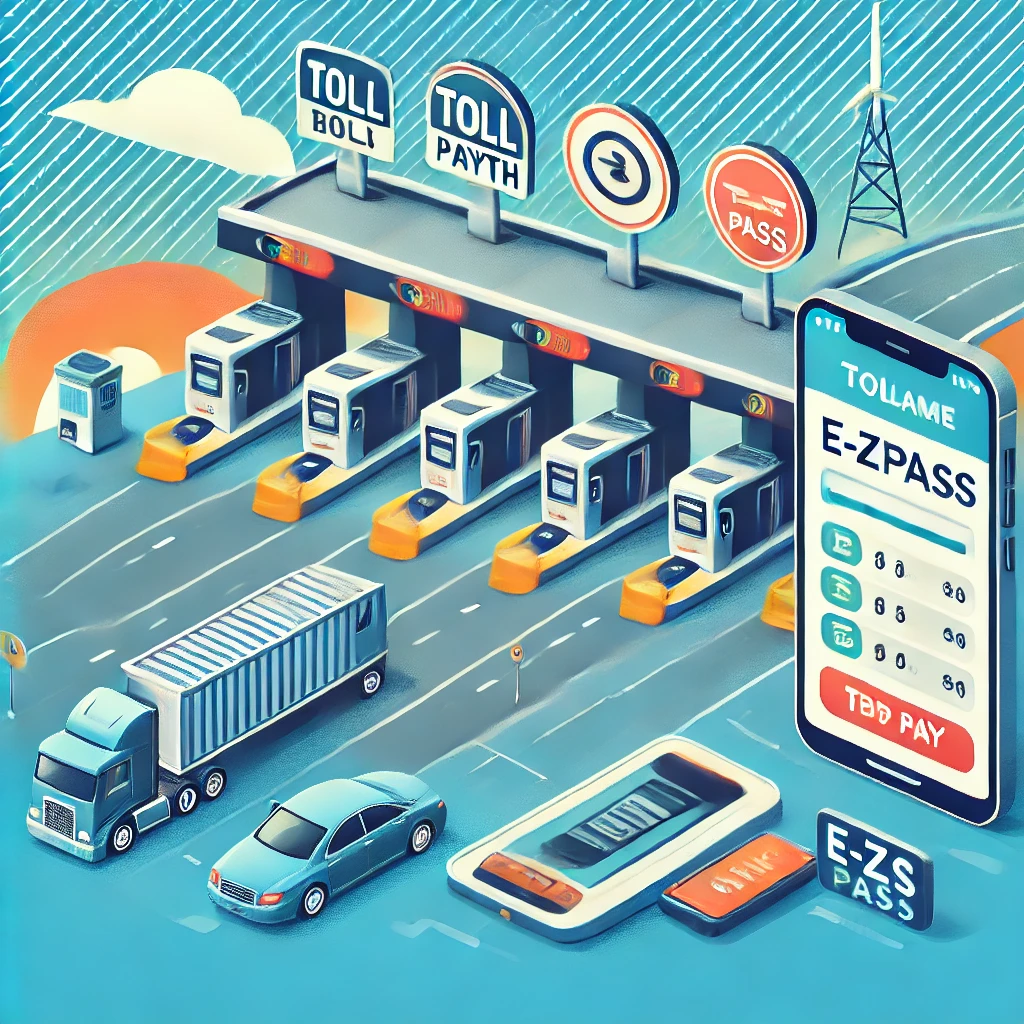
Toll Payment Work
Toll roads, bridges, and tunnels are common across the United States, and they help fund the construction and maintenance of infrastructure. However, the toll payment systems can vary depending on the state or region. Understanding how tolls work can save you time, money, and frustration during your travels. Here’s an overview of how toll payment works in the US and the options available to drivers.
1. Types of Toll Systems in the US
There are two primary types of toll systems in the US: manual toll collection and electronic tolling.
Manual Toll Collection
- How It Works: Drivers pay tolls at booths using cash, credit cards, or debit cards.
- Where It’s Used: This system is becoming less common but is still found on some older toll roads and bridges.
- What to Expect: Toll booth attendants or machines will provide change and receipts for payment.
Electronic Tolling
- How It Works: Toll payments are collected automatically via transponders or license plate recognition.
- Where It’s Used: Many highways, bridges, and tunnels now rely on electronic tolling to improve traffic flow and reduce delays.
- No Toll Booths: In fully electronic systems, you drive through toll points without stopping, and payments are handled digitally.
2. Payment Options for Tolls
1. Toll Transponders
- What Are They? Toll transponders are small devices you attach to your windshield that communicate with electronic tolling systems.
- How It Works:
- Each time you pass through a toll, the system deducts the amount from your pre-funded account.
- You can manage your account and reload funds online.
- Popular Transponders by Region:
- E-ZPass: Covers toll roads in 19 states, including New York, New Jersey, Pennsylvania, and Virginia.
- SunPass: Used in Florida.
- TxTag: Used in Texas.
- FasTrak: Covers toll roads, bridges, and express lanes in California.
- Advantages:
- Cheaper toll rates (many toll systems offer discounts for transponder users).
- Seamless travel without stopping.
2. Pay-by-Plate or Video Tolling
- What Is It? If you don’t have a transponder, many toll systems use cameras to capture your license plate and bill you later.
- How It Works:
- A photo of your license plate is taken as you drive through the toll point.
- A bill is mailed to your registered address.
- Fees: Some toll systems charge extra for pay-by-plate transactions, so this option can be more expensive.
- Where It’s Used: Found on roads like Colorado’s ExpressToll or California’s toll bridges.
3. Toll Booths (Cash Payment)
- How It Works:
- Drivers stop at toll booths to pay in cash or by card.
- Exact change may be required in some locations.
- Limitations:
- Toll booths are becoming less common, as many systems transition to electronic tolling.
- Some roads have fully cashless systems, so cash payment may not always be an option.
4. Mobile Apps and Online Payments
- How It Works:
- Some states allow drivers to pay tolls through mobile apps or websites.
- This is especially useful for visitors who don’t have a transponder.
- Examples:
- TollSmart: Helps drivers calculate toll costs and pay tolls in some areas.
- GoToll: Enables pay-by-plate payments in participating states.
- Advantages: Convenient for one-time or occasional toll road users.
3. How to Avoid Extra Fees and Penalties
Failing to pay tolls on time can result in penalties or added fees. Here’s how to avoid those costs:
- Pay Bills Promptly: If you use pay-by-plate systems, make sure to pay the invoice before the due date.
- Keep Your Transponder Account Funded: Check your balance regularly to avoid overdrafts.
- Update Your Vehicle Registration: Ensure your vehicle registration address is up-to-date to receive toll bills.
- Set Up Auto-Pay: Many toll systems allow you to set up automatic payments to avoid missing due dates.
4. Tips for Travelers Using Toll Roads
1. Plan Ahead
- Use apps like Google Maps or Waze to check if your route includes toll roads.
- Plan alternative routes to avoid tolls if necessary.
2. Renters: Be Aware of Rental Car Toll Policies
- Many rental car companies provide toll payment services, but they often charge additional administrative fees.
- What to Do:
- Ask about the rental company’s toll policy before driving on toll roads.
- Use your personal transponder in the rental car if allowed.
3. Watch for Toll Signs
- Pay attention to signs that indicate whether a toll road is cashless or requires a transponder.
- Look for toll rate information to understand how much you’ll pay.
5. Regional Differences in Toll Systems
Northeast (E-ZPass Network)
- States like New York, Pennsylvania, and New Jersey heavily rely on E-ZPass.
- Discounts are often available for local drivers with E-ZPass accounts.
South (SunPass and Peach Pass)
- Florida’s SunPass system covers tolls on highways like the Florida Turnpike.
- Georgia uses Peach Pass for express lanes.
Midwest (I-PASS and K-TAG)
- Illinois uses I-PASS for its tollways, while Kansas drivers rely on K-TAG.
West (FasTrak and Express Lanes)
- California’s FasTrak system is widely used for toll bridges, express lanes, and highways.
6. How to Avoid Toll Roads Altogether
If you prefer not to pay tolls, you can:
- Use navigation apps to select “Avoid Tolls” as a route option.
- Research toll-free alternative routes before your trip.
Note: While toll-free routes can save money, they may take longer due to additional traffic or longer distances.
Final Thoughts
Toll payment in the US is becoming increasingly automated, with electronic tolling systems like E-ZPass and SunPass simplifying the process. Understanding the payment options in your region, keeping your transponder funded, and staying on top of invoices can help you avoid unnecessary fees. Whether you’re commuting daily or taking a road trip, a little preparation can make navigating toll roads stress-free.
For more tips on improving your photography and editing skills, check out helpful guides to take your selfies to the next level.
Добавить комментарий