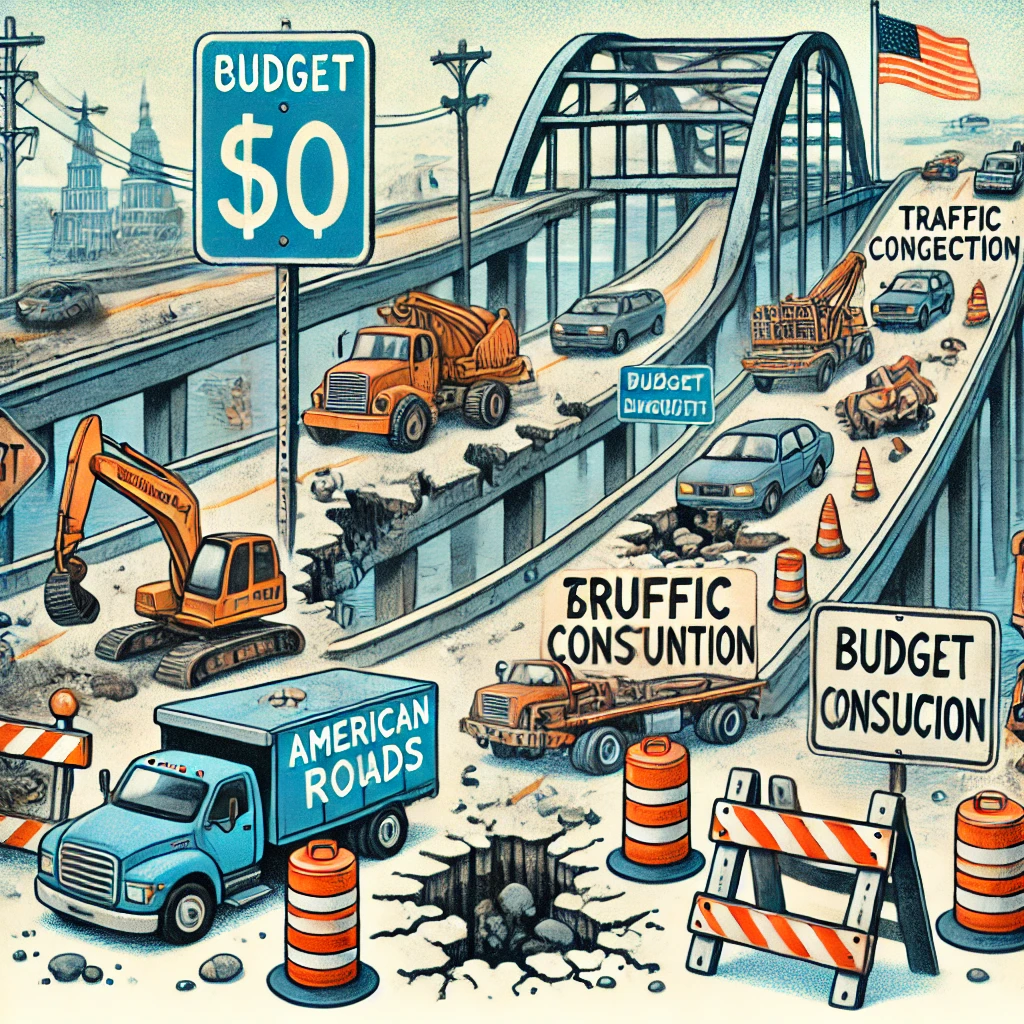
American Road
If you’ve driven across the United States, you may have noticed potholes, cracks, and uneven pavement on many roads. While the US has one of the largest and most expansive road networks in the world, the overall quality of its roads often lags behind that of other developed nations. So, why are American roads so bad? Here’s a breakdown of the main reasons contributing to the poor condition of roads in the US.
1. Aging Infrastructure
Many of America’s roads were built decades ago, and the infrastructure is simply outdated.
- Interstate Highway System: Most of it was built in the mid-20th century, starting in the 1950s. While it was groundbreaking at the time, much of it is now reaching the end of its intended lifespan.
- Wear and Tear: Heavy use by cars, trucks, and freight vehicles has caused significant deterioration over time.
Without consistent maintenance, aging roads have become more prone to cracks, potholes, and structural failures.
2. Underfunding and Budget Constraints
A major reason for the poor state of American roads is inadequate funding for repairs and maintenance.
- Gas Tax Issues: The federal gas tax (18.4 cents per gallon) hasn’t been increased since 1993, despite inflation and rising construction costs. This has led to a funding shortfall for infrastructure projects.
- State and Local Budgets: Many states rely on gas taxes, tolls, or general funds for road maintenance. However, competing priorities like education and healthcare often reduce the amount allocated to roads.
- Deferred Maintenance: Instead of proactive maintenance, repairs are often delayed until roads are in critical condition, which is more expensive to fix.
3. Heavy Traffic and Overuse
The US road network was not designed to handle the sheer volume of vehicles seen today.
- Increasing Vehicle Numbers: With over 275 million registered vehicles in the US, the constant pressure of cars, trucks, and freight vehicles accelerates road degradation.
- Freight Trucks: Large trucks used for transporting goods cause significant damage to road surfaces, especially since they weigh much more than passenger vehicles.
- Urban Congestion: High-traffic urban areas, like Los Angeles and New York City, face faster road wear due to constant vehicle use and gridlock.
4. Harsh Weather Conditions
Extreme weather plays a significant role in damaging American roads.
- Freeze-Thaw Cycles: In colder regions, water seeps into cracks in the road, freezes, and expands, causing the cracks to widen and form potholes.
- Extreme Heat: In hotter climates, like the Southwest, excessive heat can cause roads to warp, buckle, or crack.
- Flooding and Hurricanes: Heavy rains and flooding can wash away roads, while hurricanes can completely destroy infrastructure in coastal areas.
With such diverse and extreme weather conditions across the country, maintaining roads is an ongoing challenge.
5. Prioritization of New Projects Over Maintenance
State and federal governments often focus on building new infrastructure instead of maintaining the existing network.
- Political Incentives: Politicians often prioritize high-profile projects, like building new highways, because they generate more public attention than routine road repairs.
- Costlier Repairs: Neglecting maintenance leads to more severe road damage, which is far more expensive to fix than preventive upkeep.
6. Inefficient Use of Funds
Sometimes, the money allocated for road maintenance is not used efficiently due to mismanagement or bureaucracy.
- Red Tape: Road projects often face delays due to lengthy approval processes or bidding wars between contractors.
- Overruns: Poor project planning can lead to cost overruns, which limit the scope of repairs and maintenance.
7. Dependence on Cars
The US is a car-dependent nation, and roads bear the brunt of this reliance.
- Limited Public Transportation: In many cities and rural areas, there are few public transportation options, forcing people to rely on personal vehicles. This contributes to higher traffic and faster road deterioration.
- Suburban Sprawl: The spread of suburbs has led to the construction of more roads that need maintenance, but funding hasn’t kept pace with the growing demand.
8. Lack of Federal and State Coordination
Maintaining roads in the US is a joint effort between federal, state, and local governments, but coordination can be disjointed.
- Responsibility Splits: Federal funding often covers major highways, while states and municipalities are responsible for local roads. However, smaller governments may lack the resources or expertise to handle road maintenance effectively.
- Inconsistent Standards: Maintenance quality can vary widely from one state to another, depending on their budgets and priorities.
9. Potholes and Temporary Fixes
A common sight on American roads is potholes, which often result from temporary or “band-aid” fixes instead of long-term repairs.
- Quick Fixes: Potholes are frequently patched instead of fully repaired, leading to recurring issues.
- Seasonal Challenges: In colder regions, repairs can only be done during warmer months, delaying permanent fixes.
10. Public Resistance to Increased Taxes or Tolls
Efforts to raise additional funds for road maintenance are often met with resistance.
- Gas Tax Hikes: Proposals to increase the federal or state gas tax are unpopular among voters.
- Toll Roads: Expanding toll roads to fund repairs often sparks opposition from drivers who don’t want to pay extra fees.
This resistance limits the ability of governments to generate the revenue needed for proper road upkeep.
Final Thoughts
The poor condition of American roads is the result of aging infrastructure, funding shortfalls, heavy traffic, and inefficient maintenance practices. Addressing these issues requires significant investment and a focus on long-term solutions rather than short-term fixes. Without changes in funding policies and better coordination among federal, state, and local governments, the state of American roads is unlikely to improve dramatically.
For more insights into US infrastructure and cost-saving tips, check out helpful guides to better understand the challenges and opportunities in managing public resources.
Добавить комментарий