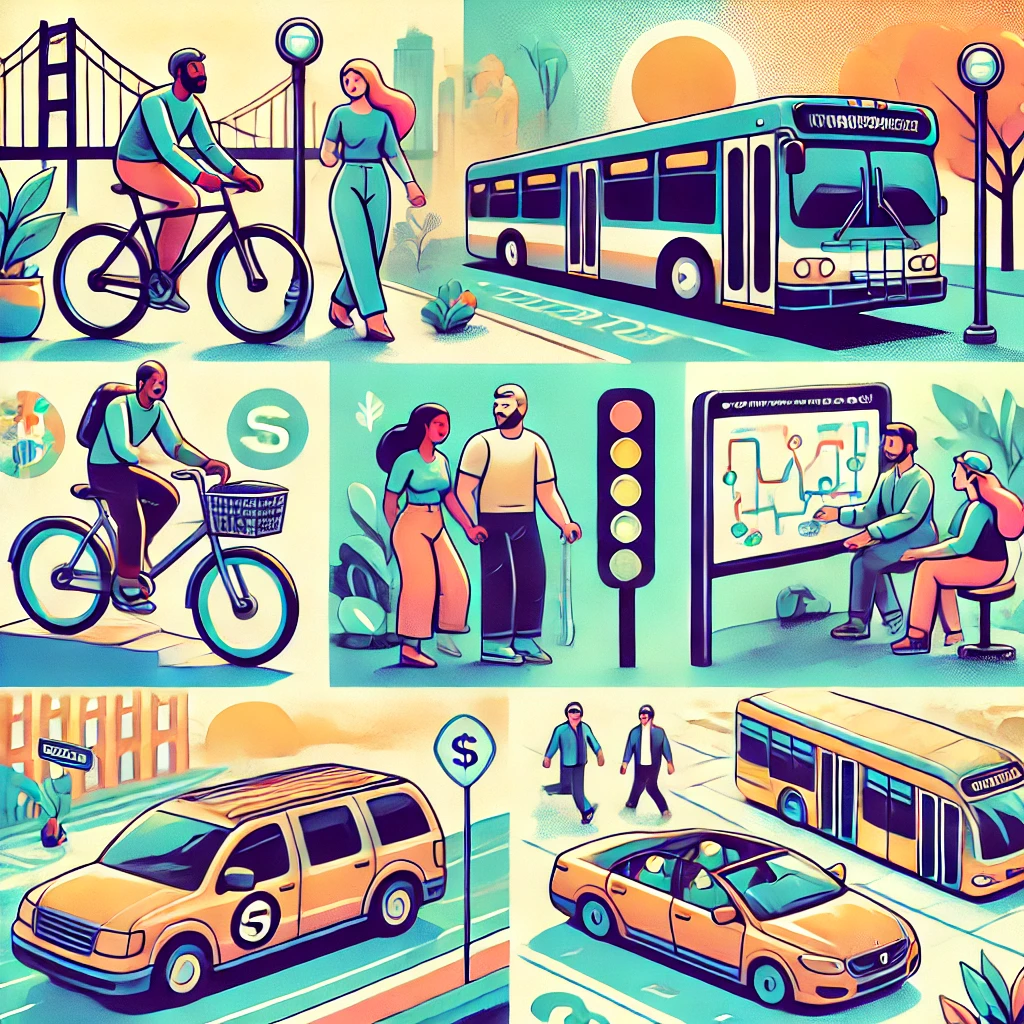
Cheapest Way to Commute
Commuting in the US can be costly, especially with rising gas prices, public transportation fares, and vehicle maintenance expenses. However, there are several affordable ways to get to work or school without breaking the bank. The best option depends on your location, distance, and personal preferences. Here’s a breakdown of the cheapest ways to commute in the US and how to make your travel more budget-friendly.
1. Public Transportation
For many Americans, public transportation is one of the most cost-effective commuting options. It’s particularly affordable in cities with extensive transit networks.
- Options: Buses, subways, commuter trains, and trolleys.
- Cost:
- Monthly transit passes are cheaper than paying per ride and often range from $50 to $150, depending on the city.
- For example, a monthly pass in New York City costs $132, while in Chicago, it’s $75.
- Pro Tip: Check if your employer offers a pre-tax commuter benefit program, which allows you to pay for public transportation with pre-tax dollars, saving you money.
2. Carpooling
Carpooling is an excellent way to save money by sharing commuting costs with others.
- Benefits:
- Reduce gas and parking costs by splitting them among multiple riders.
- Lower wear and tear on your vehicle.
- How to Find Carpool Partners:
- Use apps like Waze Carpool, Scoop, or CarpoolWorld to connect with other commuters.
- Check local Facebook groups or workplace bulletin boards.
- HOV Lanes: Many states offer High-Occupancy Vehicle (HOV) lanes for carpoolers, allowing you to avoid traffic and save time.
3. Biking
Biking is one of the most economical and eco-friendly ways to commute, especially for short to moderate distances.
- Cost:
- After the initial investment in a bike, helmet, and lock, commuting by bike is virtually free.
- Many cities offer affordable bike-sharing programs, such as Citi Bike in NYC ($19.95/month) or Divvy in Chicago ($9.92/month with an annual membership).
- Additional Perks:
- Save money on gym memberships by combining your commute with exercise.
- Avoid parking fees and traffic jams.
4. Walking
For those who live close to work or school, walking is not only the cheapest option but also the healthiest.
- Cost: Free!
- Benefits:
- No need to worry about gas, transit fares, or parking fees.
- It’s an excellent way to get daily exercise and improve your mental health.
5. Ridesharing Services (Carpool Version)
While traditional ridesharing (like Uber or Lyft) can be expensive, many companies offer shared rides that significantly reduce costs.
- Examples:
- Uber Pool or Lyft Shared: You share a ride with other passengers heading in the same direction.
- Cost: Shared rides can be 30-50% cheaper than regular rides.
- Tip: Check for promotional codes or discounts for first-time users.
6. Work-from-Home Options
Eliminating your commute entirely by working remotely is the ultimate money-saver.
- Savings:
- No spending on gas, transit, parking, or vehicle maintenance.
- Reduced expenses on meals, coffee, and professional clothing.
- How to Explore Remote Work:
- Ask your employer if telecommuting or hybrid work is an option.
- Look for remote-friendly job listings on platforms like FlexJobs or Remote.co.
7. Vanpooling
Vanpooling is similar to carpooling but involves a larger group of people sharing a rented van.
- How It Works:
- Groups of 5–15 people commute together in a van, often coordinated by an employer or regional transit agency.
- Cost:
- Participants split the cost of the van rental, fuel, and insurance. Many programs are subsidized by local governments or employers, making vanpooling extremely affordable.
- Programs to Check:
- Enterprise Vanpool or local transit agencies that manage vanpool programs.
8. Electric Scooters or Mopeds
Electric scooters and mopeds are growing in popularity as a low-cost commuting option in urban areas.
- Cost:
- Owning an e-scooter can cost between $300 and $1,000 upfront, but electricity to recharge is minimal.
- Scooter-sharing services like Bird or Lime charge around $1 to unlock plus 15–39 cents per minute.
- Best For: Short-distance commutes in urban settings.
9. Use Employer Commuter Benefits
Many employers offer programs that help reduce commuting costs, such as:
- Pre-Tax Transit Benefits: Use pre-tax dollars to pay for public transportation or parking.
- Commuter Stipends: Some companies offer cash stipends to offset transportation expenses.
10. Buy a Fuel-Efficient or Electric Vehicle
If you need to drive, investing in a fuel-efficient or electric car can save you money in the long term.
- Hybrid/Electric Cars: Vehicles like the Toyota Prius or Tesla Model 3 have lower fuel costs compared to traditional gas-powered cars.
- EV Tax Credits: Federal and state tax credits can reduce the upfront cost of electric vehicles.
- Apps for Cheaper Gas: Use apps like GasBuddy to find the lowest gas prices near you.
11. Split Costs with Public Transit and Park-and-Ride
If you live far from a transit station, consider using a park-and-ride facility.
- How It Works: Drive to a nearby transit hub, park your car (often for free or a low fee), and take public transportation the rest of the way.
- Savings: You’ll reduce gas usage and parking fees at your final destination.
12. Telecommuting for Part of the Week
If full-time remote work isn’t an option, ask your employer about telecommuting 1-2 days per week.
- Savings: Even cutting out one or two commutes per week can significantly reduce transportation costs over time.
Final Thoughts
The cheapest way to commute in the US depends on factors like where you live, how far you need to travel, and your access to public transit or shared commuting options. Public transportation, biking, and carpooling are often the most affordable choices, while combining multiple strategies—like park-and-ride or telecommuting—can help you maximize savings. By evaluating your commuting options and taking advantage of programs like commuter benefits, you can reduce costs and make your daily travel more budget-friendly.
For more tips on saving money and managing transportation expenses, check out helpful guides to take control of your budget and lifestyle.
Добавить комментарий