Credit Card
Getting approved for a credit card without a credit history may seem challenging, but it’s entirely possible. Credit card issuers typically rely on your credit history to assess risk, but there are specific types of credit cards and strategies that cater to people with little or no credit history. Below is a step-by-step guide to help you secure your first credit card and start building your credit.
1. Start with a Secured Credit Card
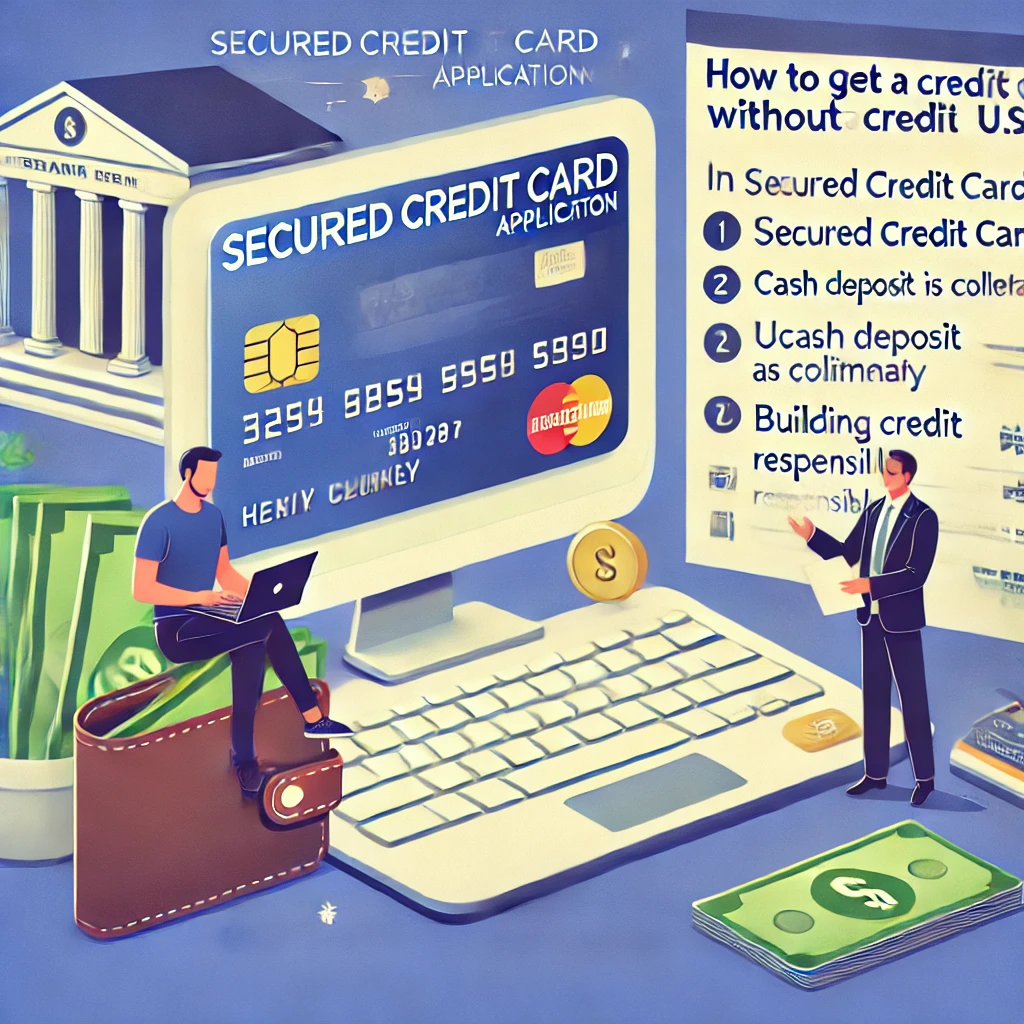
A secured credit card is one of the best options for individuals without credit history. These cards require a refundable deposit that serves as your credit limit.
- How it works: If you put down a $300 deposit, your credit limit will be $300.
- Benefits: Secured cards report your payment activity to credit bureaus, helping you build credit.
- Examples:
- Discover it® Secured Credit Card: Offers cashback rewards and no annual fee.
- Capital One Platinum Secured Card: Allows you to get a credit line with as little as a $49 deposit, depending on your creditworthiness.
2. Consider a Student Credit Card
If you’re a college student, student credit cards are designed specifically for people with little or no credit history.
- Perks: Many student cards offer benefits like cashback rewards, no annual fees, and credit-building tools.
- Examples:
- Discover it® Student Cash Back: Offers 5% cashback on rotating categories and a $20 annual statement credit for good grades.
- Chase Freedom® Student Credit Card: Provides a flat 1% cashback on purchases and automatic credit line increases for responsible use.
3. Get a Co-Signer
If you have a family member or trusted friend with good credit, they can co-sign your credit card application.
- How it works: The co-signer agrees to share responsibility for your credit card payments. If you fail to pay, the co-signer is obligated to cover the debt.
- Risk: Missing payments could damage both your credit score and your co-signer’s.
4. Become an Authorized User
Ask a trusted family member or friend to add you as an authorized user on their credit card.
- How it works: As an authorized user, you can use their card, and the primary cardholder’s positive payment history will appear on your credit report.
- No Risk of Debt: You’re not responsible for payments, but make sure the primary cardholder has good credit habits.
5. Try Credit Builder Loans or Programs
If you can’t qualify for a credit card, a credit builder loan is another way to establish credit.
- How it works: You borrow a small loan amount, but the lender holds the funds in a secured account. You make monthly payments, and once the loan is paid off, the money is released to you.
- Example Providers:
- Self: A credit builder loan provider that reports your payments to credit bureaus.
- Local credit unions or community banks often offer similar programs.
6. Look for Credit Cards with No Credit History Requirement
Some credit cards cater to individuals with no credit history. These cards may have lower credit limits and higher interest rates, but they are excellent for getting started.
- Examples:
- Petal® 2 «Cash Back, No Fees» Visa® Credit Card: This card doesn’t require a credit history and uses alternative data like income to determine eligibility.
- Deserve® EDU Mastercard for Students: Designed for students without credit history, offering 1% cashback and no annual fee.
7. Leverage Your Banking Relationship
If you already have a checking or savings account with a bank, consider applying for a credit card through them.
- Why it works: Banks are more likely to approve your application if you have an existing relationship with them, as they can review your banking activity instead of your credit history.
8. Apply for Retail Store Credit Cards
Retail store credit cards are typically easier to qualify for, even without credit history.
- Pros: These cards can help you build credit if you pay off the balance in full each month.
- Cons: They often have high interest rates and can only be used at specific stores.
9. Build a Strong Application
Even without a credit history, you can increase your chances of approval by strengthening your application:
- Provide proof of income: Show that you have a steady source of income to make payments.
- Include assets: Highlight savings or other assets to demonstrate financial stability.
- Start small: Apply for cards designed for beginners to avoid rejection, which could harm your credit score.
10. Use Your First Credit Card Responsibly
Once you’ve obtained a credit card, focus on building a strong credit history by using it wisely:
- Make on-time payments: Even one late payment can hurt your credit score.
- Keep your utilization low: Aim to use no more than 30% of your available credit.
- Avoid applying for multiple cards: Too many applications can lead to hard inquiries, which temporarily lower your credit score.
Final Thoughts
While getting a credit card without a credit history can seem daunting, there are plenty of options designed for beginners. Start with a secured or student card, or consider becoming an authorized user. Over time, by using your credit card responsibly and making timely payments, you’ll establish a strong credit history that opens doors to better financial opportunities.
For more tips on managing your finances and building credit, check out helpful guides to set yourself up for long-term success.
Добавить комментарий