Leadership Skills
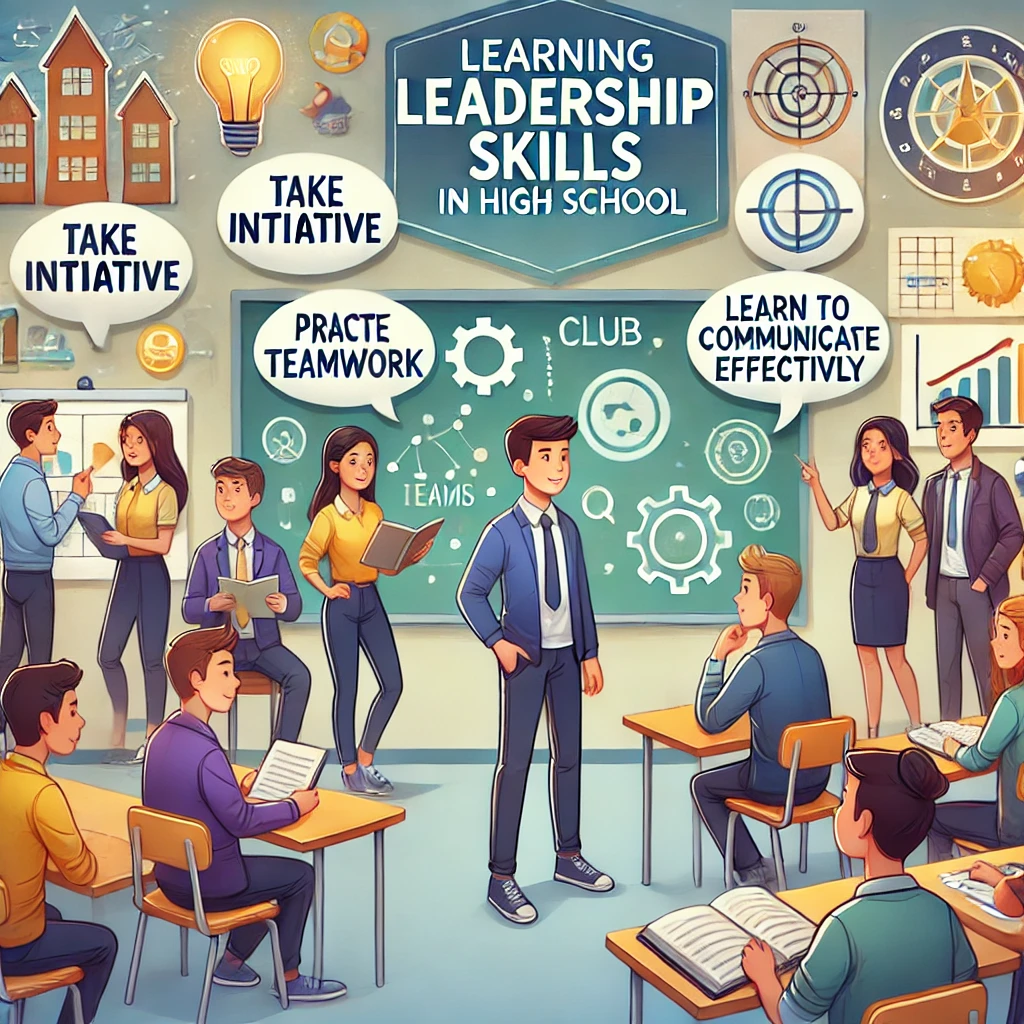
High school is the perfect time to start developing leadership skills that will benefit you in academics, extracurricular activities, and future career opportunities. Leadership isn’t just about being in charge—it’s about inspiring others, solving problems, and creating positive change. Here are actionable steps to help you learn and enhance your leadership skills in high school.
1. Join Extracurricular Activities
Why It Helps:
Being part of clubs, sports teams, or organizations exposes you to opportunities to take on leadership roles.
How to Do It:
- Join student council, debate team, or sports teams to start practicing collaboration.
- Volunteer for roles like treasurer, secretary, or captain in clubs.
- Take initiative by suggesting new activities or projects.
Tip: Look for activities aligned with your interests to stay motivated and engaged.
2. Take Responsibility in Group Projects
Why It Helps:
Group projects are a great way to practice delegation, organization, and communication.
How to Do It:
- Volunteer to coordinate tasks or create a project timeline.
- Encourage input from team members and ensure everyone feels valued.
- Handle conflicts calmly by listening to all sides and finding a compromise.
Tip: Focus on collaboration rather than taking over, as effective leaders empower others.
3. Develop Strong Communication Skills
Why It Helps:
Good communication is the foundation of leadership, enabling you to inspire and guide others.
How to Do It:
- Practice active listening to understand others’ perspectives.
- Use clear and concise language when explaining tasks or goals.
- Work on public speaking by participating in speech competitions or presentations.
Tip: Join organizations like Toastmasters or drama clubs to improve verbal communication.
4. Seek Volunteer Opportunities
Why It Helps:
Volunteering allows you to lead by example while making a difference in your community.
How to Do It:
- Organize a community cleanup, food drive, or tutoring program.
- Take charge of logistics, like recruiting volunteers or setting up schedules.
- Reflect on your experience to learn what worked well and what could improve.
Tip: Choose causes you’re passionate about to stay committed and enthusiastic.
5. Learn Conflict Resolution
Why It Helps:
Resolving disagreements effectively shows emotional intelligence and builds trust.
How to Do It:
- Stay calm and listen to all sides of a conflict before making decisions.
- Focus on finding solutions rather than assigning blame.
- Use phrases like “I understand your concern” to show empathy.
Tip: Practice these skills in everyday interactions with friends or family.
6. Set Personal Goals
Why It Helps:
Strong leaders know how to set and achieve goals, inspiring others to do the same.
How to Do It:
- Use the SMART method (Specific, Measurable, Achievable, Relevant, Time-bound) to set goals.
- Track your progress and celebrate small milestones.
- Reflect on challenges and how you overcame them to improve in the future.
Tip: Share your goals with a mentor or peer to stay accountable.
7. Find a Leadership Mentor
Why It Helps:
Learning from someone with leadership experience provides valuable guidance and inspiration.
How to Do It:
- Ask a teacher, coach, or older student leader for advice and feedback.
- Observe how they handle challenges and motivate their teams.
- Schedule regular check-ins to discuss your progress and questions.
Tip: Shadowing a mentor during events or meetings offers real-world insights.
8. Organize Events or Initiatives
Why It Helps:
Taking charge of events builds skills in planning, delegation, and problem-solving.
How to Do It:
- Plan a fundraiser, school assembly, or club event.
- Create a checklist of tasks, assign responsibilities, and set deadlines.
- Stay flexible and adapt to challenges as they arise.
Tip: Focus on teamwork by involving others and acknowledging their contributions.
9. Embrace Challenges and Feedback
Why It Helps:
Overcoming obstacles and learning from mistakes helps you grow as a leader.
How to Do It:
- Step out of your comfort zone by trying new roles or responsibilities.
- Accept constructive criticism and use it to improve your skills.
- Reflect on both successes and failures to identify lessons learned.
Tip: Keep a journal to track your leadership journey and personal growth.
10. Participate in Leadership Workshops and Programs
Why It Helps:
Formal training can provide new perspectives and strategies for leading effectively.
How to Do It:
- Attend workshops offered by your school or community organizations.
- Explore online leadership courses on platforms like Coursera or Udemy.
- Join programs like National Honor Society or Leadership Academy for structured guidance.
Tip: Apply what you learn immediately to reinforce new skills.
Key Leadership Traits to Cultivate
| Trait | How to Develop It |
|---|---|
| Communication | Practice active listening, public speaking, and clear writing. |
| Empathy | Show understanding by considering others’ perspectives. |
| Decision-Making | Weigh options carefully and seek advice when needed. |
| Adaptability | Stay flexible and open to change during challenges. |
| Confidence | Set small goals and celebrate achievements to build self-belief. |
Final Thoughts
Learning leadership skills in high school is a valuable journey that requires practice, reflection, and determination. By stepping into roles that challenge you, building strong relationships, and continuously seeking opportunities to grow, you’ll become an effective leader who can inspire and guide others.
For more tips and tools to enhance your leadership potential, explore helpful resources and start shaping your future today!
Добавить комментарий