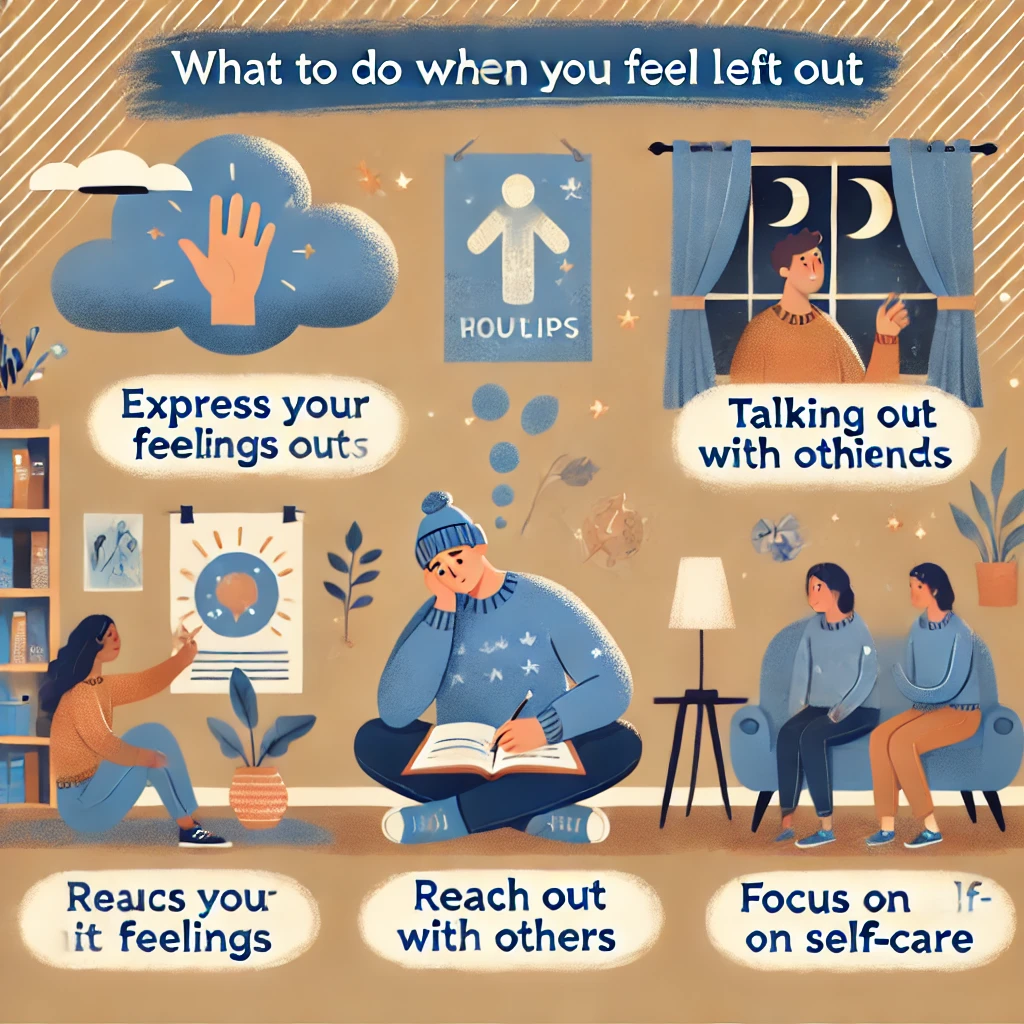
Feel Left Out
Feeling left out can be a difficult experience, whether it happens with friends, family, or classmates. It’s natural to feel hurt, isolated, or even frustrated when you’re not included. However, there are positive ways to cope, rebuild connections, and find your sense of belonging again. Here’s a complete guide to navigating feelings of exclusion and fostering healthy relationships.
1. Acknowledge Your Feelings
Why It’s Important:
Recognizing your emotions is the first step toward dealing with them in a healthy way.
How to Do It:
- Reflect on how being left out made you feel—sad, frustrated, or even angry.
- Accept that these feelings are valid and natural.
- Write down your thoughts in a journal to help process your emotions.
Tip: Sharing your feelings with a trusted friend or family member can make a big difference in how you handle them.
2. Understand the Situation
Why It’s Important:
Sometimes, being left out isn’t intentional. Clarifying what happened can help you move forward.
How to Do It:
- Ask yourself if the exclusion was intentional or a simple oversight.
- Consider external factors, like limited invites or time constraints.
- Avoid jumping to conclusions—there’s often more to the story than it seems.
Tip: Gaining perspective can help you let go of resentment and focus on constructive solutions.
3. Talk to the People Involved
Why It’s Important:
Communicating openly can resolve misunderstandings and strengthen relationships.
How to Do It:
- Approach the person or group calmly and kindly.
- Use “I” statements to express your feelings, such as, “I felt left out when…”
- Ask questions to understand their perspective without placing blame.
Tip: Honest conversations often lead to greater understanding and renewed connections.
4. Focus on Building New Connections
Why It’s Important:
Expanding your social circle can provide a stronger sense of belonging.
How to Do It:
- Join clubs, sports teams, or hobby groups where you can meet like-minded people.
- Take small steps to connect, like asking someone to hang out or work on a project together.
- Strengthen bonds with people who make you feel valued and appreciated.
Tip: Meaningful connections take time to develop, so be patient and persistent.
5. Practice Self-Compassion
Why It’s Important:
Being kind to yourself helps you move past feelings of rejection and regain confidence.
How to Do It:
- Avoid blaming yourself for being left out.
- Remind yourself that your worth isn’t defined by others’ actions.
- Engage in activities that bring you joy and boost your self-esteem.
Tip: Positive affirmations like, “I am enough,” can help you rebuild your confidence.
6. Avoid Comparisons
Why It’s Important:
Constantly comparing yourself to others can deepen feelings of inadequacy.
How to Do It:
- Focus on your unique strengths and qualities.
- Limit time spent on social media if it makes you feel excluded.
- Celebrate your individuality instead of trying to fit into someone else’s mold.
Tip: Remember, everyone’s journey is different, and no one is perfect.
7. Engage in New Interests
Why It’s Important:
Exploring new activities can be a great way to shift your focus and meet new people.
How to Do It:
- Try a new hobby, like painting, cooking, or learning a musical instrument.
- Attend community events or workshops related to your interests.
- Step outside your comfort zone to discover new passions.
Tip: Pursuing your interests can help you feel accomplished and fulfilled.
8. Use Exclusion as a Learning Opportunity
Why It’s Important:
Every challenge presents an opportunity to grow stronger and wiser.
How to Do It:
- Reflect on what you can learn from the experience.
- Use it as a chance to build resilience and emotional strength.
- Consider how you treat others—make sure you include people in your own social circles.
Tip: Growth often comes from moments of discomfort and challenge.
9. Seek Professional Support if Needed
Why It’s Important:
If feelings of exclusion persist or impact your mental health, seeking help can be beneficial.
How to Do It:
- Speak with a counselor or therapist who can provide guidance.
- Join support groups where you can share experiences and gain advice.
- Use mental health resources or apps to manage your emotions.
Tip: Seeking help is a sign of strength, not weakness—it shows you care about your well-being.
10. Focus on Quality Relationships
Why It’s Important:
It’s better to have a few meaningful friendships than to try to fit into every social group.
How to Do It:
- Invest time in relationships where you feel valued and appreciated.
- Surround yourself with people who encourage and support you.
- Be open to forming deeper connections with those who truly care about you.
Tip: True friends will value you for who you are, not just for fitting in.
Final Thoughts
Feeling left out is a common experience, but it doesn’t have to define your relationships or self-worth. By reflecting on your feelings, communicating openly, and focusing on building meaningful connections, you can overcome exclusion and find your sense of belonging.
Remember, everyone feels left out at times—it’s how you respond and grow from these moments that truly matters. Surround yourself with positive people, explore new opportunities, and, most importantly, be kind to yourself. You’re never truly alone!
Добавить комментарий