Most Useful Study Habits?
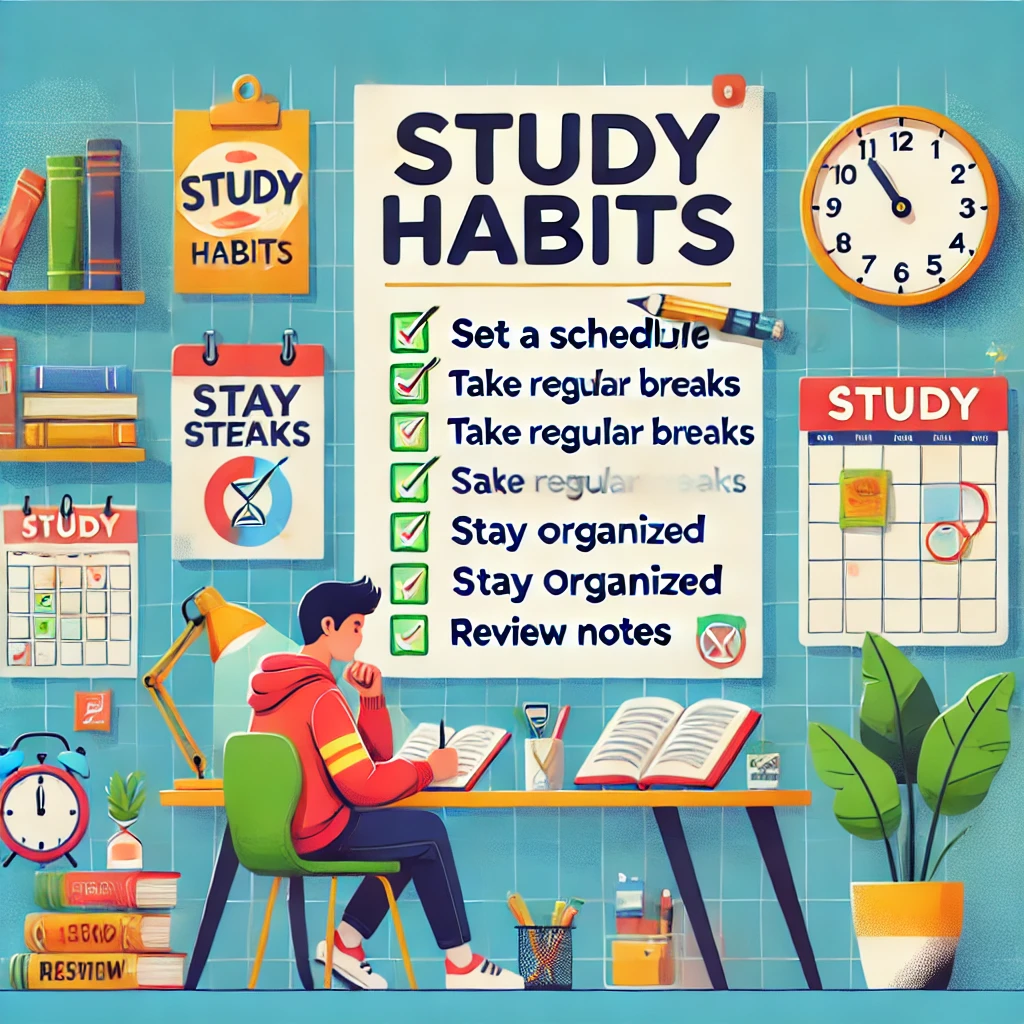
Developing effective study habits is essential for academic success. Good habits help you retain information, stay organized, and reduce stress. Here are the most useful study habits that can make a big difference in your learning journey.
1. Set Specific Goals
Why It Works:
Clear goals give you direction and purpose while studying. Instead of vague tasks like «study math,» create focused objectives.
How to Apply:
- Break tasks into smaller, manageable chunks, such as “solve five algebra problems” or “review two chapters.”
- Write down your goals before each study session to stay on track.
2. Create a Study Schedule
Why It Works:
A consistent schedule establishes routine and helps you avoid last-minute cramming.
How to Apply:
- Dedicate specific times each day for studying.
- Use a planner or digital calendar to block time for each subject.
- Stick to the schedule as much as possible, and adjust it as needed.
3. Study in a Quiet, Organized Space
Why It Works:
A clean and quiet study environment minimizes distractions and helps you focus.
How to Apply:
- Choose a space with minimal noise, like a library or dedicated desk at home.
- Keep only necessary materials, such as books, pens, and notes, on your workspace.
- Avoid studying in bed, as it can make you feel drowsy.
4. Take Regular Breaks
Why It Works:
Short breaks prevent mental fatigue and help you maintain focus over long study sessions.
How to Apply:
- Follow the Pomodoro Technique: Study for 25 minutes, then take a 5-minute break.
- Use breaks to stretch, grab a snack, or step outside for fresh air.
- Avoid using breaks for scrolling social media, as it can extend your break time.
5. Practice Active Learning
Why It Works:
Active learning engages your brain more effectively than passive reading or memorization.
How to Apply:
- Summarize information in your own words.
- Use flashcards to quiz yourself on key concepts.
- Teach what you’ve learned to someone else—it reinforces understanding.
6. Focus on Understanding, Not Just Memorization
Why It Works:
When you truly understand a concept, it’s easier to remember and apply it in different contexts.
How to Apply:
- Ask yourself why and how questions about the material.
- Relate new information to what you already know.
- Use examples or analogies to make abstract ideas more concrete.
7. Limit Distractions
Why It Works:
Distractions, such as notifications or background noise, can significantly reduce your focus and productivity.
How to Apply:
- Turn off your phone or put it on silent mode.
- Use apps like Focus@Will or Forest to block distractions.
- Let family members or roommates know when you’re studying to minimize interruptions.
8. Review Notes Regularly
Why It Works:
Frequent review helps transfer information from short-term to long-term memory.
How to Apply:
- Spend a few minutes reviewing notes at the end of each day.
- Highlight key points and summarize them in your own words.
- Use mind maps or diagrams to visualize connections between topics.
9. Test Yourself Often
Why It Works:
Self-testing helps you identify knowledge gaps and reinforces learning.
How to Apply:
- Create practice quizzes or use online resources like Quizlet.
- Answer past exam questions to get a feel for the format.
- Test yourself without looking at notes to build confidence.
10. Stay Healthy
Why It Works:
Good physical health supports better focus, memory, and overall productivity.
How to Apply:
- Get at least 7–8 hours of sleep each night.
- Eat nutritious meals that fuel your brain, such as fruits, vegetables, and protein.
- Exercise regularly to reduce stress and improve concentration.
11. Break Big Projects into Smaller Tasks
Why It Works:
Breaking large assignments into smaller steps makes them less overwhelming and more manageable.
How to Apply:
- Divide essays into tasks like researching, outlining, and drafting.
- Set deadlines for each step to stay on track.
- Celebrate small wins as you complete each task.
12. Stay Positive and Motivated
Why It Works:
A positive mindset boosts confidence and resilience, even when the material is challenging.
How to Apply:
- Reward yourself after completing study sessions, such as watching a favorite show or enjoying a treat.
- Remind yourself of long-term goals, like getting good grades or mastering a subject.
- Focus on progress rather than perfection.
Final Thoughts
Adopting these useful study habits can transform the way you approach learning. Start by incorporating a few of these tips into your routine, and gradually build on them. Consistency is key, and over time, you’ll notice significant improvements in your productivity and academic performance. Happy studying!
Добавить комментарий