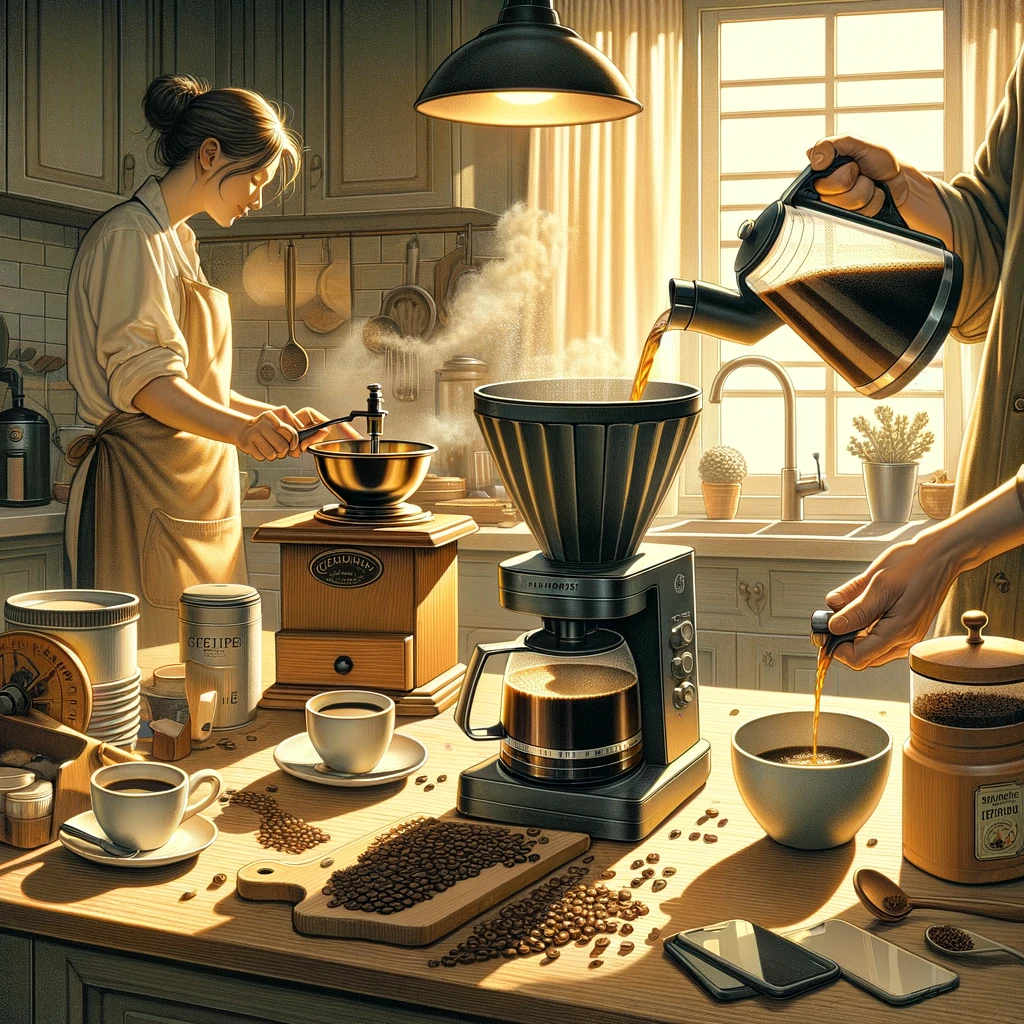
How to Clean Electronics: A Guide to Keeping Your Devices Spotless
Keeping your electronics clean is essential not only for their appearance but also for their functionality and longevity. Here’s how you can clean your various electronic devices safely and effectively.
Gather Your Cleaning Supplies
What You’ll Need:
- Microfiber cloths: To avoid scratching screens or surfaces.
- Isopropyl alcohol (at least 70%): For disinfecting.
- Compressed air: To remove dust from hard-to-reach places.
- Cotton swabs: For detailed cleaning around buttons and ports.
General Cleaning Steps
- Turn Off and Unplug: Always turn off and unplug the device before you start cleaning. This prevents damage and ensures your safety.
- Dust Off: Use a can of compressed air to blow dust away from ventilation slots and keyboard crevices.
- Wipe Down: Dampen a microfiber cloth with a mix of water and isopropyl alcohol (50/50 mix). Gently wipe the surfaces without allowing any liquid to seep into openings.
- Detail Cleaning: Dip a cotton swab in alcohol to clean around buttons, ports, and other tight spaces. Avoid using too much liquid.
- Dry: Wipe any excess moisture with a dry microfiber cloth. Allow the device to air dry completely before turning it back on.
Special Considerations
- Smartphones and Tablets: Use screen protectors to minimize direct contact with the screen and clean gently to avoid damaging touch sensors.
- Laptops and Computers: Pay special attention to keyboards and mouse devices, which can harbor more germs due to frequent contact.
- TVs and Monitors: Avoid spraying anything directly on screens. Always apply the cleaning solution to the cloth first.
By following these steps, you can ensure your electronics are clean and maintained, contributing to their optimal performance and extending their lifespan.
How to Make Coffee at Home: Brewing the Perfect Cup
Brewing coffee at home can be a delightful ritual that saves you money and allows you to perfect your personal coffee preferences. Here’s how to make coffee at home using a few popular methods.
Using a Drip Coffee Maker
- Measure Your Coffee: Generally, a good starting ratio is about 1 to 2 tablespoons of ground coffee per 6 ounces of water. Adjust according to your taste.
- Add Water: Fill the reservoir with fresh, cold water.
- Add Coffee: Place a coffee filter in the basket. Add the ground coffee.
- Brew: Turn on the machine and let it brew. Serve fresh.
Using a French Press
- Boil Water: Bring water to a boil, then let it cool for about 30 seconds.
- Add Coffee: Place about 1 ounce (28 grams) of coarsely ground coffee per 4 cups of water in the press.
- Add Hot Water and Stir: Pour hot water over the coffee grounds. Stir gently.
- Steep and Press: Let the coffee steep for about 4 minutes, then slowly press the plunger down.
- Serve: Pour and enjoy immediately.
Using an Espresso Machine
- Grind the Beans: Use a fine grind specifically for espresso.
- Tamp the Coffee: Fill the portafilter with the ground coffee and tamp it down firmly and evenly.
- Brew: Lock the portafilter in place. Start the machine. The espresso should start flowing after a few seconds and finish brewing in about 20-30 seconds.
- Serve: Serve as is or use as a base for other coffee drinks like lattes or cappuccinos.
Cold Brew Coffee
- Coarse Grind Coffee: Use a coarser grind than you would for a French press.
- Mix With Cold Water: Mix about 1 part coffee to 8 parts water in a large jar or pitcher.
- Steep Overnight: Cover and let it steep in the refrigerator for about 12-24 hours.
- Strain: Strain the coffee through a fine mesh sieve, then again through a coffee filter.
- Serve: Serve over ice, with milk, or water. Sweeten as desired.
By mastering these methods, you can enjoy a variety of coffee styles at home, each offering a different flavor and experience. Whether you prefer a quick espresso or a slow-brewed French press, there’s a method to suit every coffee lover’s preference.
Добавить комментарий